Disclaimer: This blog post is not legal advice for your company to use in complying with EU data privacy laws like the GDPR. Instead, it provides background information to help you better understand the GDPR. This legal information is not the same as legal advice, where an attorney applies the law to your specific circumstances, so we insist that you consult an attorney if you’d like advice on your interpretation of this information or its accuracy.
Business software that supports GDPR is essential for organizations that collect, process, and share personal data across multiple systems. Complying with the General Data Protection Regulation (GDPR) requires organizations to apply data protection by design and by default, meaning privacy and security must be built into how business software captures, stores, uses, transfers, and deletes personal data across its entire lifecycle.
Modern business software ecosystems routinely process personal data through calendars, meetings, CRM systems, marketing platforms, and sales tools. Within that environment, online meetings introduce distinct risks related to participant data, recordings, transcripts, chat logs, and cross-border data transfers — especially when meeting data is shared with downstream systems for follow-up, analysis, or revenue activities. GDPR-supporting software mitigates these risks through built-in controls for consent, retention, access, and secure data processing.
While this guide does not provide legal advice, it reflects widely accepted GDPR principles and expert guidance, including collecting clear consent, managing personal data securely, and maintaining transparency through notices and controls. GDPR-supporting software plays a central role in meeting these expectations by helping organizations manage consent, enforce retention and access policies, and support data subject rights.
Table of Contents
- Key Features to Look for in Meeting Software With GDPR Support
- Top Business Platforms With GDPR-Supporting Features
- CRM Software for GDPR Support
- Marketing Software for GDPR Support
- Sales Software for GDPR Support
- Software that supports GDPR isn’t optional.
Why GDPR Matters for Company Meeting Software
Online meetings process personal data in ways that directly trigger regulatory obligations under the GDPR. Participant identities, recordings, transcripts, chat messages, shared files, metadata, and analytics may all constitute personal data when they can be linked to an identifiable individual.
Online meetings introduce distinct compliance risks, including:
- Participant identity data, such as names, email addresses, IP addresses, and device information.
- Meeting recordings, including audio and video files stored for training, compliance, or quality assurance.
- Transcripts and AI-generated summaries, which may contain sensitive or contextual personal data.
- Chat logs and shared files, including links or documents exchanged during meetings.
- Metadata and analytics, such as timestamps, attendance records, and engagement data.
- Cross-border data transfers, especially when meetings involve participants or servers outside the EU/EEA.
When meeting data flows into CRM, marketing, or sales systems, organizations must ensure a lawful basis for processing, appropriate retention policies, and safeguards for international transfers. The right meeting software mitigates these risks by supporting consent management, access controls, retention rules, and secure integrations by design.
This guide covers meeting software, plus related categories like CRM software, marketing software, and sales software with emphasis on managing participant consent and privacy across systems.
The sections that follow explain how to evaluate meeting software as part of a broader business software strategy, with practical criteria for reducing risk and maintaining compliance at scale.
黑料吃瓜网's Free CRM Software
Free CRM Software & Tools for Your Whole Team
- Sales
- Marketing
- Operations
- Customer Service
Key Features to Look for in Meeting Software With GDPR Support
Software that supports GDPR includes technical and organizational controls that support lawful data processing, participant transparency, and ongoing risk management. When evaluating meeting platforms, organizations should assess how each tool handles data location, encryption, consent, participant rights, and third-party integrations.
|
Feature Area |
What to Evaluate |
Why It Matters for GDPR |
|
Data Processing Location |
EU/EEA data residency options, disclosure of data centers and subprocessors, and documented cross-border transfers |
GDPR restricts international data transfers and requires transparency about where personal data is processed |
|
Encryption Standards |
Encryption in transit and at rest, availability of end-to-end encryption, and key management controls |
Protects personal data from unauthorized access during meetings and storage |
|
Recording Consent Management |
Participant notifications, the ability to enable or restrict recordings, and documentation of consent or lawful basis |
Recordings and transcripts increase compliance risk and often require explicit participant awareness |
|
Participant Rights Controls |
Data access and export, deletion or anonymization tools, role-based permissions, retention policies |
Supports GDPR data subject rights such as access, erasure, and portability |
|
Third-Party Integration Security |
Controlled integrations, scoped permissions, DPAs for connected tools, and limits on data syncing |
Prevents uncontrolled data sharing across CRM, marketing, and sales systems |
Data Processing Location
Meeting software should provide transparency into where personal data is processed and stored. This includes identifying primary data centers, backup locations, and subprocessors involved in delivering the service.
Key considerations include:
- Availability of EU or EEA data residency options.
- Clear documentation of data processing locations.
- Disclosure of subprocessors and cross-border transfers.
- Support for Data Processing Agreements (DPAs).
Encryption Standards
Strong encryption is essential for protecting personal data during online meetings. Your meeting software should safeguard data both in transit and at rest, with additional controls for sensitive meetings.
Key considerations include:
- Encryption in transit and at rest by default.
- Availability of end-to-end encryption for meetings.
- Controls for key management and access.
- Protection of recordings, transcripts, and chat content.
- User-controlled keys (where available).
Recording Consent Management
Meeting recordings and transcripts introduce heightened GDPR risk and require clear participant awareness and, in many cases, consent. Your software should support transparent and auditable consent workflows.
Key considerations include:
- Automatic participant notifications when recordings start.
- Options to enable, disable, or restrict recording.
- Support for documenting consent or lawful basis.
- Controls to limit access to recorded content.
Participant Rights Controls
Under the GDPR, individuals have rights related to access, correction, deletion, and portability of their personal data. Meeting software should support these rights through configurable controls and administrative tooling.
Key considerations include:
- Ability to access and export meeting-related data.
- Tools to delete or anonymize recordings and transcripts.
- Role-based access controls for meeting data.
- Configurable retention and deletion policies.
Third-Party Integration Security
Meeting data rarely exists in isolation. GDPR-supporting meeting software should integrate securely with CRM, marketing, and sales platforms without expanding compliance risk.
Key considerations include:
- Secure integration permissions and scopes.
- Support for DPAs with integrated tools.
- Ability to limit or filter data syncing.
- Transparency into how meeting data is shared downstream.

Pro tip: Default settings are rarely privacy-first. Many business tools ship with defaults optimized for usability, not compliance. Reviewing and adjusting default recording, retention, and data-sharing settings is one of the fastest ways to reduce GDPR risk.
Top Business Platforms With GDPR-Supporting Features
These business platforms have features that support lawful data processing across meetings, customer records, marketing communications, and sales workflows. The following tools are commonly used for online meetings and should be evaluated carefully due to the volume and sensitivity of personal data they process.??
|
Feature / Capability |
Zoom |
Microsoft Teams |
Google Meet |
Cisco Webex |
|
GDPR documentation available |
?? |
?? |
?? |
?? |
|
EU / EEA data residency options |
?? |
?? |
?? |
?? |
|
Encryption in transit & at rest |
?? |
?? |
?? |
?? |
|
End-to-end encryption option |
?? |
?? |
— |
?? |
|
Participant recording notification |
?? |
?? |
?? |
?? |
|
Recording access controls |
?? |
?? |
?? |
?? |
|
Recording retention controls |
?? |
?? |
?? |
?? |
|
Transcript management controls |
?? |
?? |
?? |
?? |
|
Role-based admin permissions |
?? |
?? |
?? |
?? |
|
Audit logs available |
?? |
?? |
?? |
?? |
|
Data export & deletion support |
?? |
?? |
?? |
?? |
|
Third-party integration controls |
?? |
?? |
?? |
?? |
|
Data Processing Agreement (DPA) |
?? |
?? |
?? |
?? |
Note: Pricing and availability of GDPR-related features may vary by plan, region, and configuration. Organizations should confirm requirements directly with vendors.
Meeting Software for GDPR Support
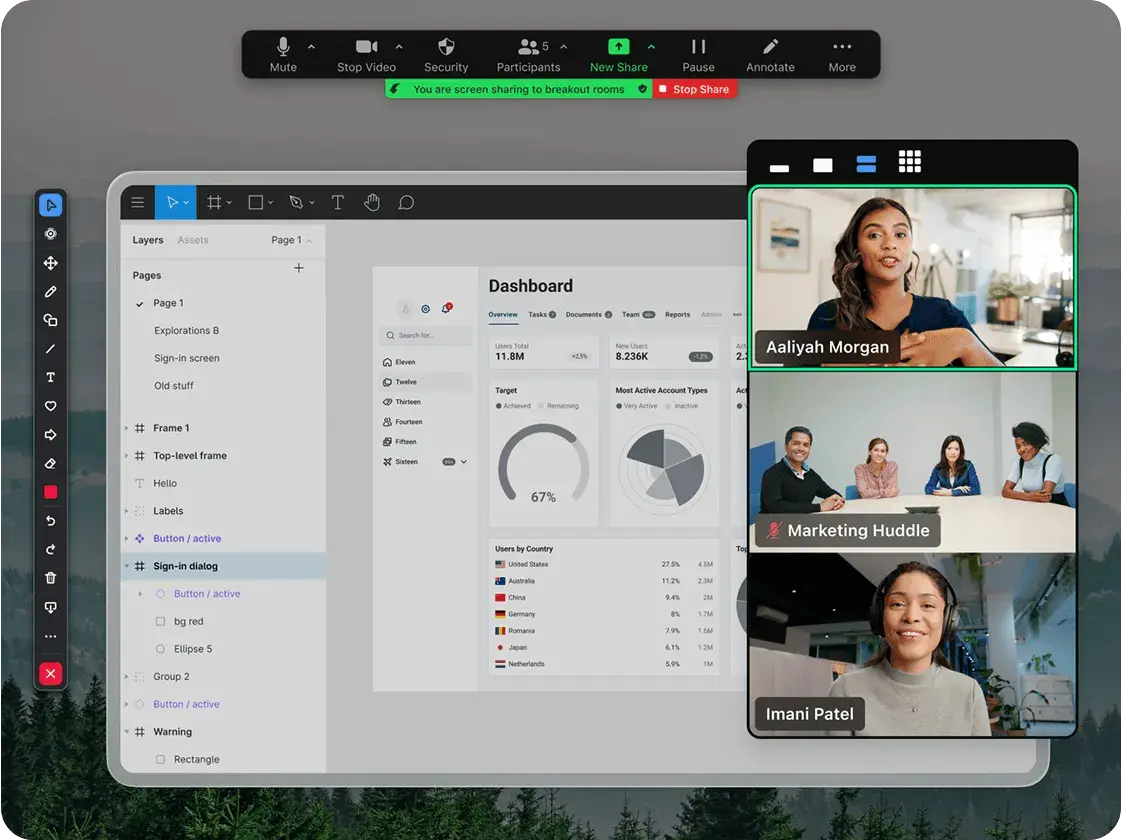
Zoom can support GDPR needs if users configure privacy settings appropriately and apply clear policies for recordings, retention, and access. Zoom processes participant data such as names, email addresses, IP addresses, chat content, and meeting recordings, which may be stored or shared depending on account configuration.
Key GDPR considerations:
- Data center regions and optional EU data routing.
- Participant notifications when meetings are recorded.
- Controls for recording storage, access, and deletion.
- Data Processing Agreements (DPAs) and subprocessors.
Best for: Organizations that need flexible, widely adopted meeting software and are prepared to manage consent, retention, and integrations carefully.
Pricing: Tiered plans; advanced privacy, retention, and data residency controls available on paid plans.
黑料吃瓜网's Free CRM Software
Free CRM Software & Tools for Your Whole Team
- Sales
- Marketing
- Operations
- Customer Service

Microsoft Teams supports GDPR through enterprise-grade governance, security controls, and alignment with Microsoft’s broader compliance framework. Teams integrates tightly with Microsoft 365, which can simplify oversight for organizations already operating within that ecosystem.
Key GDPR considerations:
- EU Data Boundary support for eligible tenants.
- Role-based access controls and audit logs.
- Retention and deletion policies for chats, files, and recordings.
- Integration with Microsoft Purview for compliance management.
Best for: Enterprise organizations seeking centralized governance across meetings, files, and collaboration tools.
Pricing: Included with Microsoft 365 subscriptions; compliance features depend on license level.

Google Meet supports GDPR needs when used within Google Workspace environments that provide administrative controls for data access, retention, and security. Meeting data may be stored across Google services depending on configuration and licensing.
Key GDPR considerations:
- Workspace admin controls for data retention.
- Participant notifications for recordings.
- Encryption in transit and at rest.
- Data processing transparency via Google’s compliance documentation.
Best for: Organizations using Google Workspace that want integrated meeting and collaboration tools with centralized administration.
Pricing: Included with Google Workspace plans; administrative and retention controls vary by edition.

Cisco Webex is designed with security and privacy as core features and offers controls that support GDPR needs for regulated environments. Webex emphasizes encryption, data residency options, and enterprise-grade access controls.
Key GDPR considerations:
- End-to-end encryption options.
- Data residency and regional storage controls.
- Recording consent and access management.
- Compliance-focused administration tools.
Best for: Organizations with heightened security or regulatory requirements that prioritize control over meeting data.
Pricing: Tiered plans; advanced security and compliance features typically require enterprise plans.
Pro tip: Meeting recordings create a new data lifecycle. Recording a meeting doesn’t just capture audio or video — it creates a new data asset with its own retention, access, and deletion requirements. Organizations should treat recordings and transcripts as governed records, not convenience files.
CRM Software for GDPR Support
CRM software that supports GDPR helps organizations manage personal data collected through meetings, forms, emails, and sales interactions while supporting consent, access controls, and data subject rights. Because meeting data frequently flows into CRM systems for follow-up and record-keeping, CRM platforms play a central role in supporting GDPR across the business software stack.
|
Feature / Capability |
黑料吃瓜网 CRM |
Salesforce |
Microsoft Dynamics 365 |
Zoho CRM |
|
GDPR documentation available |
?? |
?? |
?? |
?? |
|
EU / EEA data residency options |
?? |
?? |
?? |
?? |
|
Consent tracking & lawful basis |
?? |
?? |
?? |
?? |
|
Contact data access & export |
?? |
?? |
?? |
?? |
|
Contact deletion/anonymization |
?? |
?? |
?? |
?? |
|
Role-based access controls |
?? |
?? |
?? |
?? |
|
Audit logs & activity history |
?? |
?? |
?? |
?? |
|
Data retention controls |
?? |
?? |
?? |
?? |
|
Secure meeting data integrations |
?? |
?? |
?? |
?? |
|
Data Processing Agreement (DPA) |
?? |
?? |
?? |
?? |
Note: Availability of specific controls may depend on plan level, region, and configuration.
Pro tip: Historical data is often the biggest liability. Older CRM records frequently lack clear lawful basis or retention logic. Regularly reviewing and cleaning legacy data can reduce GDPR risk more effectively than tightening controls on new data alone.
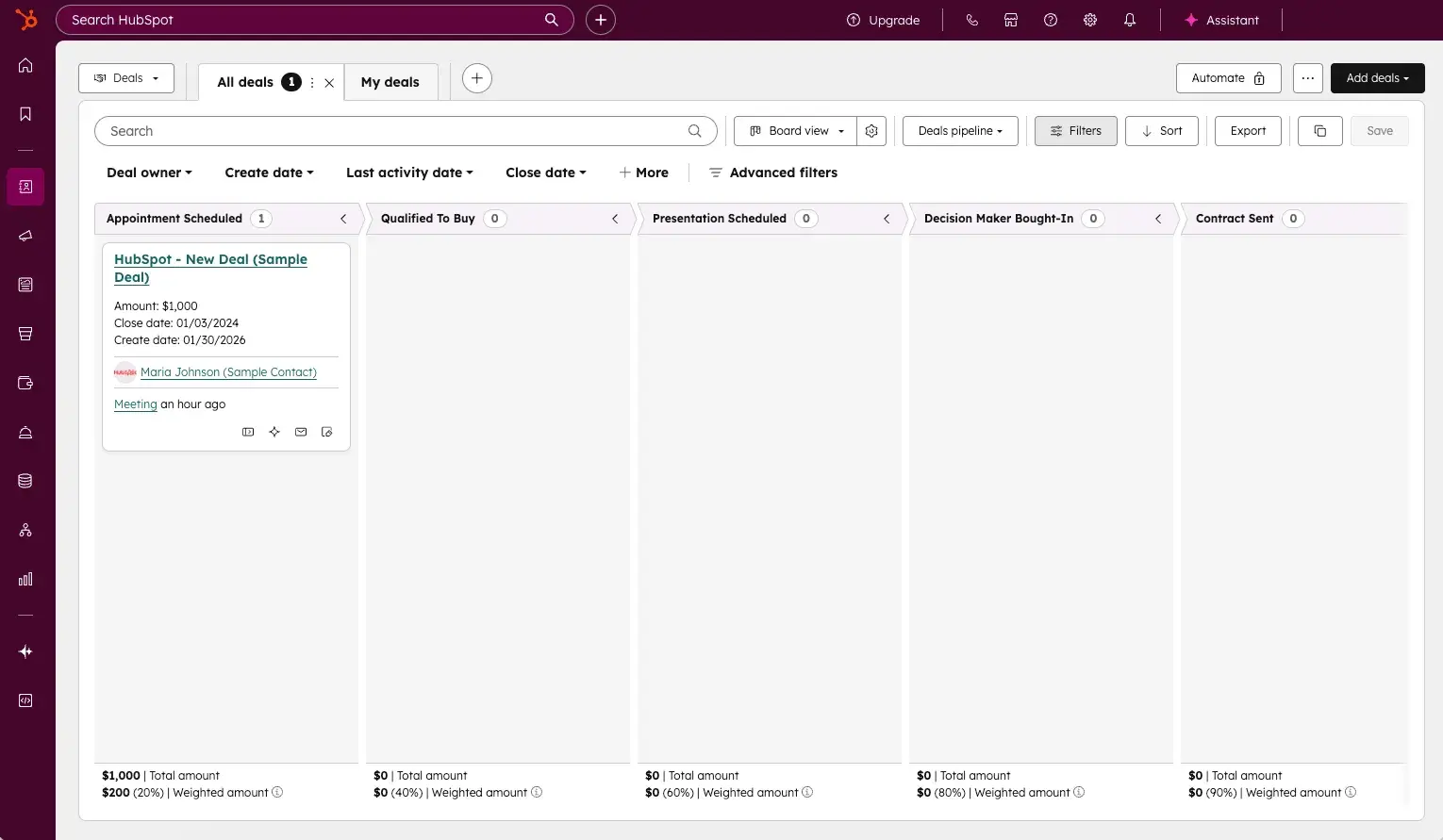
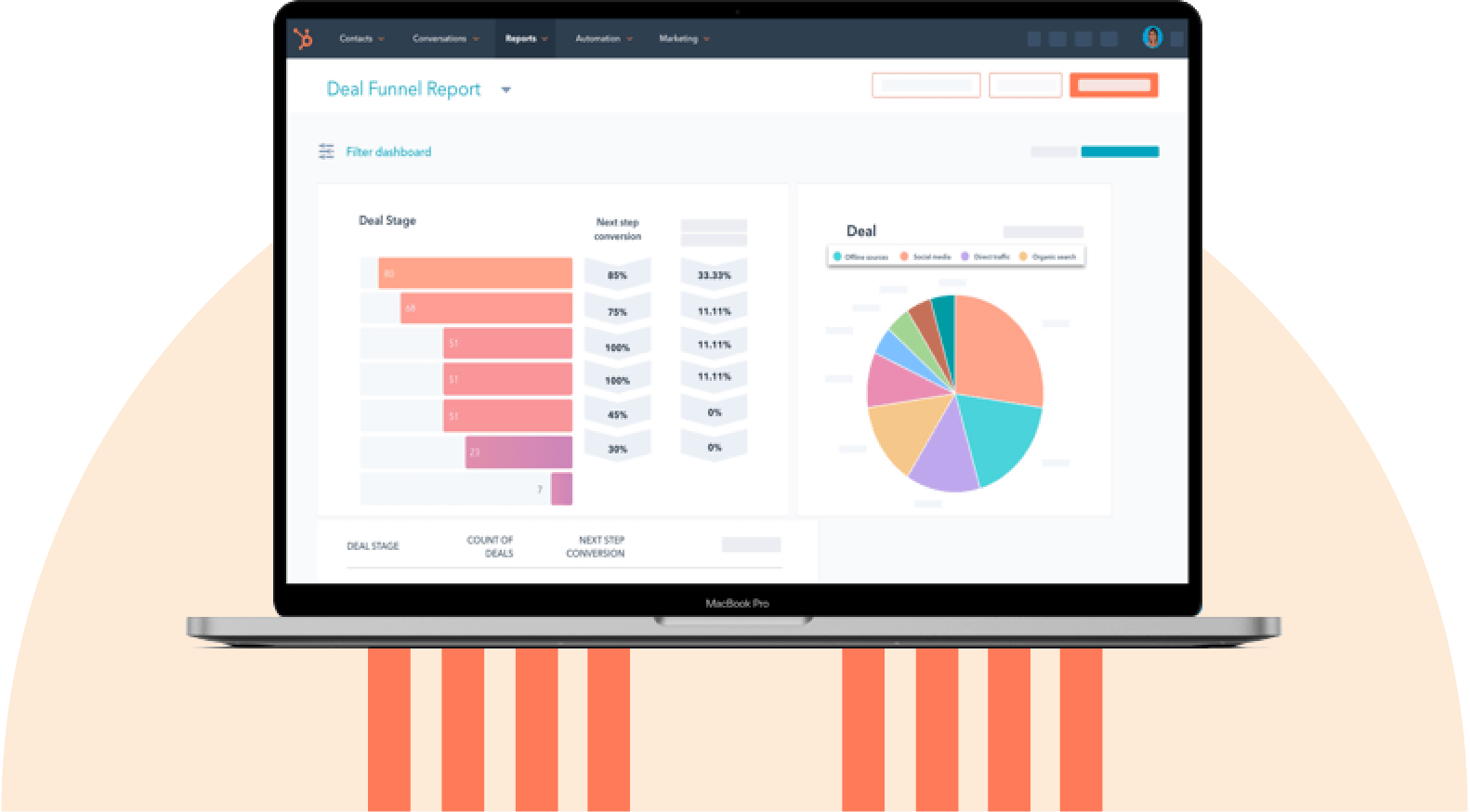
黑料吃瓜网 CRM supports GDPR by acting as a centralized system of record for personal data processed across meetings, marketing, sales, and service interactions. Rather than treating consent or privacy controls as isolated features, 黑料吃瓜网 CRM enables organizations to manage lawful basis, access controls, and data subject rights across the full customer lifecycle.
From a GDPR perspective, 黑料吃瓜网 CRM helps organizations operationalize data protection by design and by default by providing native tooling to control how personal data is collected, accessed, retained, and deleted. This is especially relevant when meeting data — such as attendee information, notes, or follow-up activity — flows into CRM records and becomes part of ongoing customer engagement.
At a glance, 黑料吃瓜网 CRM supports GDPR through:
- Centralized consent and lawful basis tracking.
- Built-in support for data subject rights (access, export, deletion).
- Role-based access controls and audit history.
- Data retention and minimization controls.
- Secure integrations with meeting software and downstream tools.
Best for: Organizations that want to manage GDPR obligations across meetings, CRM records, marketing communications, and sales workflows within a single, integrated platform.
Pricing: Free and paid plans available; advanced compliance, automation, and governance features available on higher tiers.
How 黑料吃瓜网 CRM Supports Your GDPR Obligations in Practice
Centralized Consent and Lawful Basis Tracking
黑料吃瓜网 allows organizations to store consent status, lawful basis, and subscription preferences directly on contact records. These fields can be referenced consistently across marketing, sales, and service activities, helping ensure downstream use of meeting data aligns with documented consent and GDPR requirements.
Data Subject Rights Support
黑料吃瓜网 provides tools to access, export, anonymize, or delete personal data in response to GDPR data subject requests. This reduces reliance on manual processes and helps organizations meet regulatory timelines more reliably.
Access Controls and Auditability
Role-based permissions restrict who can view or modify personal data, while activity history and record timelines provide traceability for changes. These features support internal reviews, audits, and investigations into how data is used over time.
Retention and Data Minimization Controls
Data retention settings and lifecycle management tools help organizations limit unnecessary data storage and align CRM records with internal retention policies, supporting GDPR principles of data minimization and storage limitation.
Secure Meeting and Software Integrations
黑料吃瓜网 CRM integrates with common meeting platforms and other business tools while allowing administrators to control what data is synced and retained. This helps prevent uncontrolled data sprawl when meeting data is reused for follow-up, reporting, or revenue workflows.
黑料吃瓜网 note: 黑料吃瓜网 CRM, Marketing Hub, Sales Hub, and Operations Hub include GDPR-supporting features like consent tracking, data subject rights tooling, and access controls. .
黑料吃瓜网's Free CRM Software
Free CRM Software & Tools for Your Whole Team
- Sales
- Marketing
- Operations
- Customer Service

Salesforce provides enterprise-grade GDPR controls through configurable data governance, access management, and compliance tooling. It supports complex organizational structures and global data management requirements.
Key GDPR considerations:
- Granular permission models.
- Data residency options by region.
- Extensive audit logging.
- DPA and compliance documentation.
Best for: Large enterprises with advanced governance needs and dedicated compliance resources.
Pricing: Tiered, per-user pricing; compliance and governance features vary by edition and add-ons.
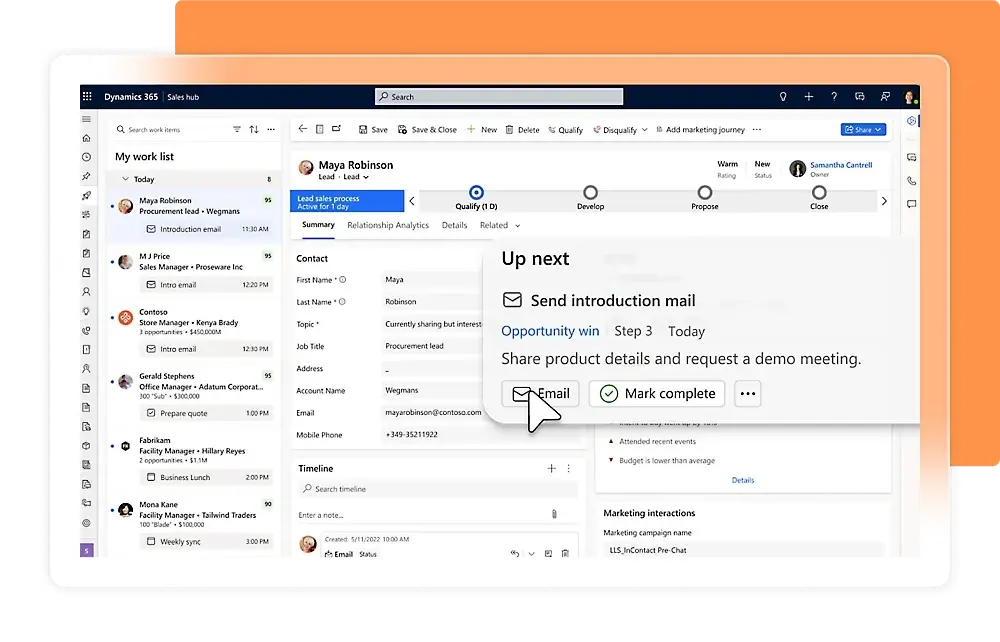
Microsoft Dynamics 365 supports GDPR needs through alignment with Microsoft’s broader security, identity, and compliance framework. It integrates closely with Microsoft Teams and Microsoft 365 services.
Key GDPR considerations:
- Role-based access and security groups.
- Retention and deletion policies.
- Audit logs via Microsoft compliance tools.
- Integration governance across Microsoft services.
Best for: Organizations already standardized on Microsoft infrastructure.
Pricing: Modular, per-app licensing; compliance features depend on selected workloads and licenses.
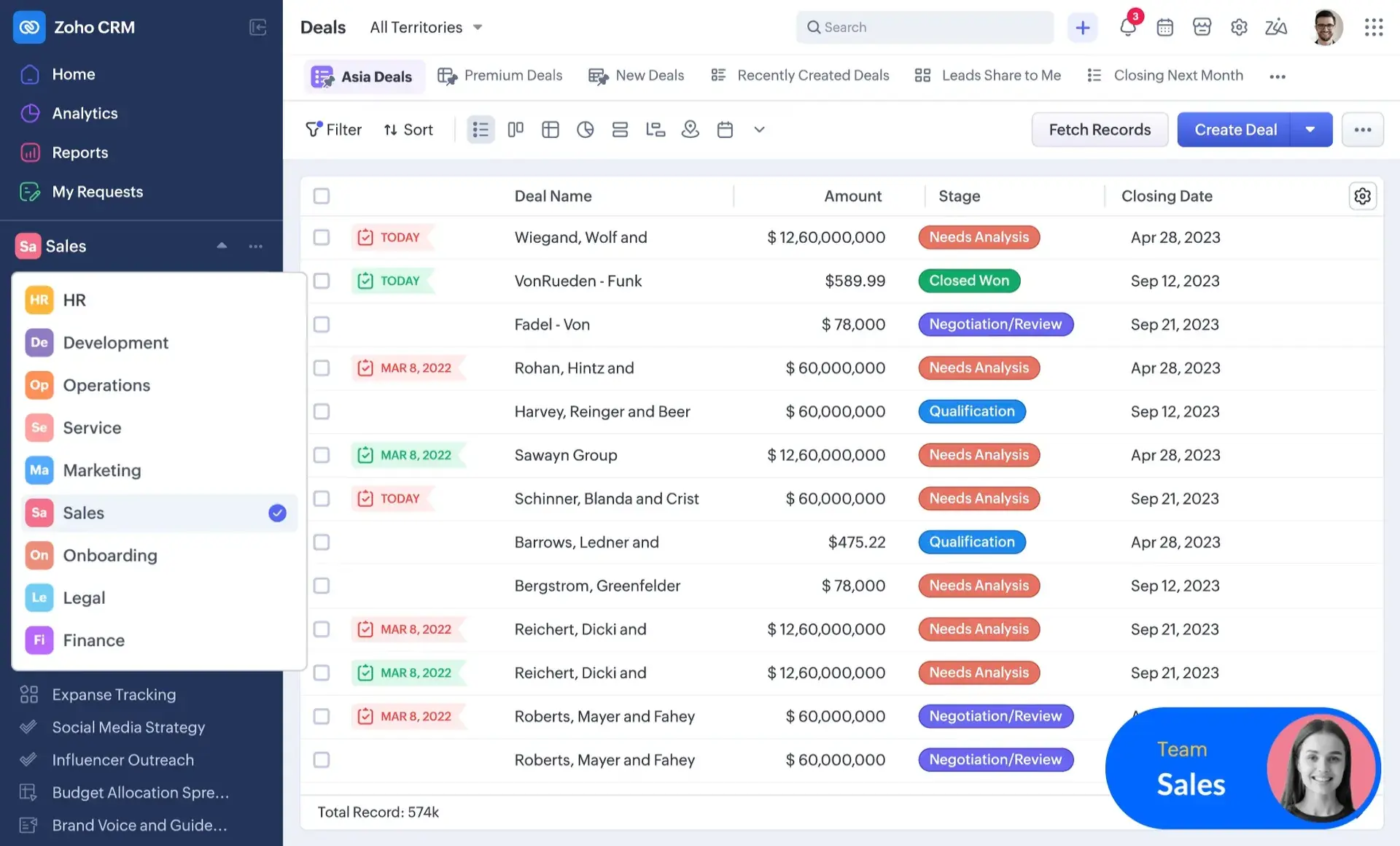
Zoho CRM offers GDPR-supporting features focused on consent management, access controls, and data subject rights. It provides a more lightweight approach compared to enterprise CRM platforms.
Key GDPR considerations:
- Consent fields and tracking.
- Data access and deletion tools.
- Region-based data hosting options.
- DPA availability.
Best for: Small to mid-sized organizations seeking cost-effective CRM compliance capabilities.
Pricing: Tiered plans; GDPR-related features vary by edition and region.
Marketing Software for GDPR Support
Marketing software that supports GDPR helps organizations manage personal data collected through meetings, forms, cookies, email campaigns, and digital interactions while supporting consent, transparency, and data subject rights. Because marketing platforms often ingest meeting data for follow-up, attribution, or nurturing, they play a critical role in managing GDPR requirements across the customer journey.
|
Feature / Capability |
黑料吃瓜网 Marketing Hub |
Marketo Engage |
Mailchimp |
ActiveCampaign |
|
GDPR documentation available |
?? |
?? |
?? |
?? |
|
Consent & lawful basis tracking |
?? |
?? |
?? |
?? |
|
Cookie consent support |
?? |
— |
?? |
— |
|
Subscription preference management |
?? |
?? |
?? |
?? |
|
Contact data access & export |
?? |
?? |
?? |
?? |
|
Contact deletion / anonymization |
?? |
?? |
?? |
?? |
|
Role-based access controls |
?? |
?? |
?? |
?? |
|
Audit logs & activity history |
?? |
?? |
— |
— |
|
Data retention controls |
?? |
?? |
?? |
?? |
|
Data Processing Agreement (DPA) |
?? |
?? |
?? |
?? |
Note: Availability of specific controls may depend on plan level, region, and configuration.
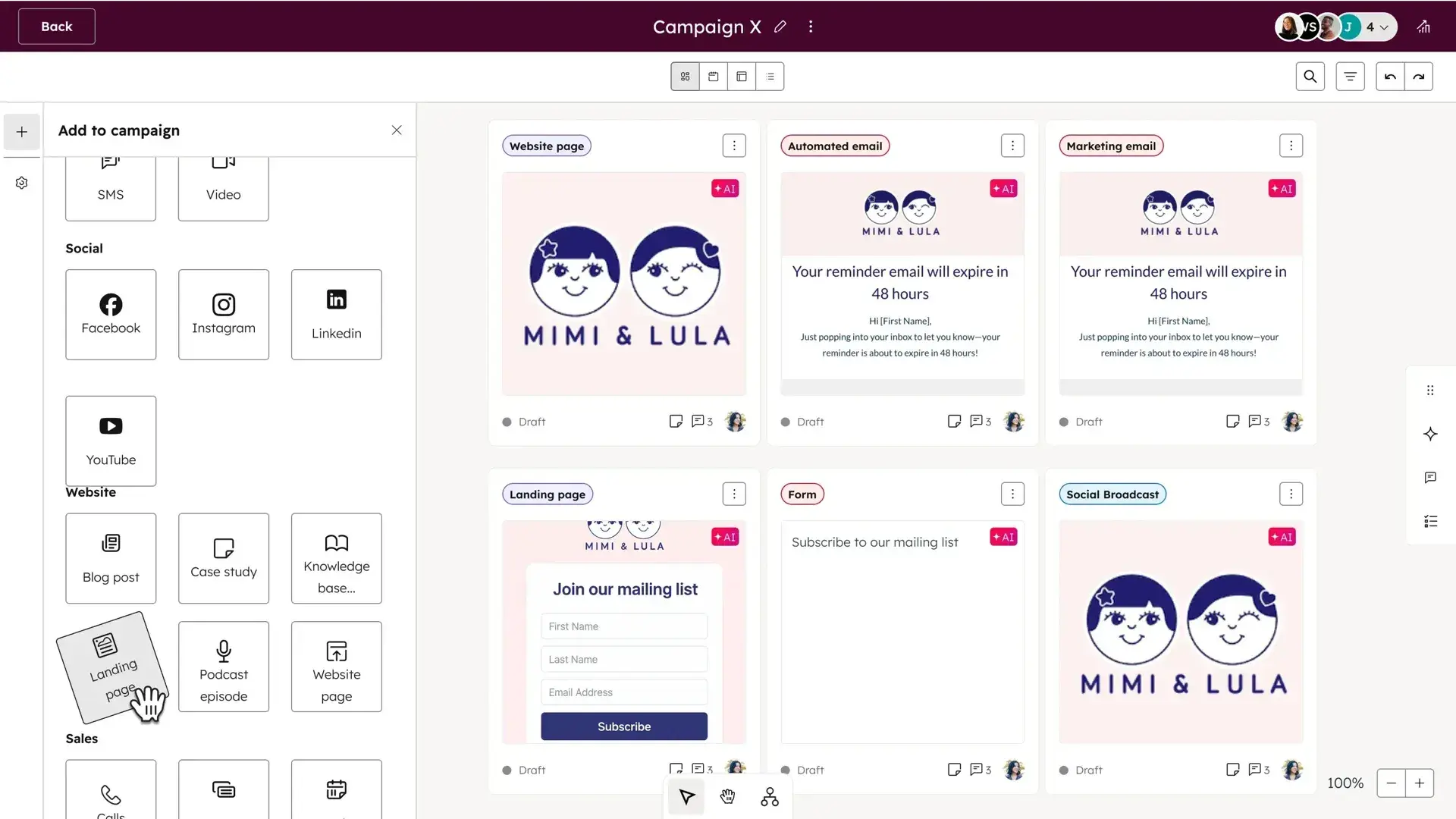
黑料吃瓜网 Marketing Hub enables organizations to manage consent, transparency, and personal data use across marketing activities connected to meetings, websites, and CRM records. It allows teams to apply data protection by design across the full marketing lifecycle rather than treating compliance as a one-time configuration.
At a glance, 黑料吃瓜网 Marketing Hub supports GDPR requirements through:
- Consent and lawful basis tracking tied to contact records.
- Cookie consent and tracking controls.
- Subscription preference management across channels.
- Data subject rights support (access, export, deletion).
- Native alignment with CRM and sales workflows.
Best for: Organizations that need to manage marketing consent, cookies, and contact preferences alongside meeting-driven follow-up and CRM data within a single, integrated platform.
Pricing: Tiered plans; consent management, cookie controls, and advanced governance features vary by tier.
How 黑料吃瓜网 Marketing Hub Supports Your GDPR Obligations in Practice
Consent and Lawful Basis Management
黑料吃瓜网 allows organizations to capture, store, and reference consent status and lawful basis at the contact level. This ensures that marketing communications triggered by meetings or other interactions align with documented permissions.
Cookie Consent and Transparency Controls
黑料吃瓜网 supports cookie consent banners and tracking controls that help organizations inform visitors about data collection and limit non-essential tracking until consent is provided. This is particularly important when meeting-related landing pages or scheduling tools are involved.
Subscription Preference Management
Marketing Hub enables granular subscription types and preference centers, allowing individuals to control how and why their data is used for marketing communications.
Data Subject Rights Support
Organizations can access, export, anonymize, or delete contact data in response to GDPR data subject requests, helping reduce manual effort and compliance risk using Marketing Hub.
Integration With Meetings and CRM Workflows
Because Marketing Hub is natively connected to 黑料吃瓜网 CRM and Sales Hub, organizations can control how meeting data influences marketing activity without duplicating personal data across disconnected systems.
Pro tip: Cookie consent affects more than websites. Marketing platforms often rely on tracking that extends beyond websites into landing pages, scheduling tools, and campaign attribution. Cookie consent settings should align with how marketing data is activated across the entire funnel. 黑料吃瓜网’s cookie consent plugin helps marketers configure their marketing platforms to meet GDPR cookie consent requirements.
.webp?)
Free Marketing Software
Easy marketing tools that deliver fast time-to-value, unified in one place.
- AI Tools
- Email Marketing
- Social Media Management
- And More!
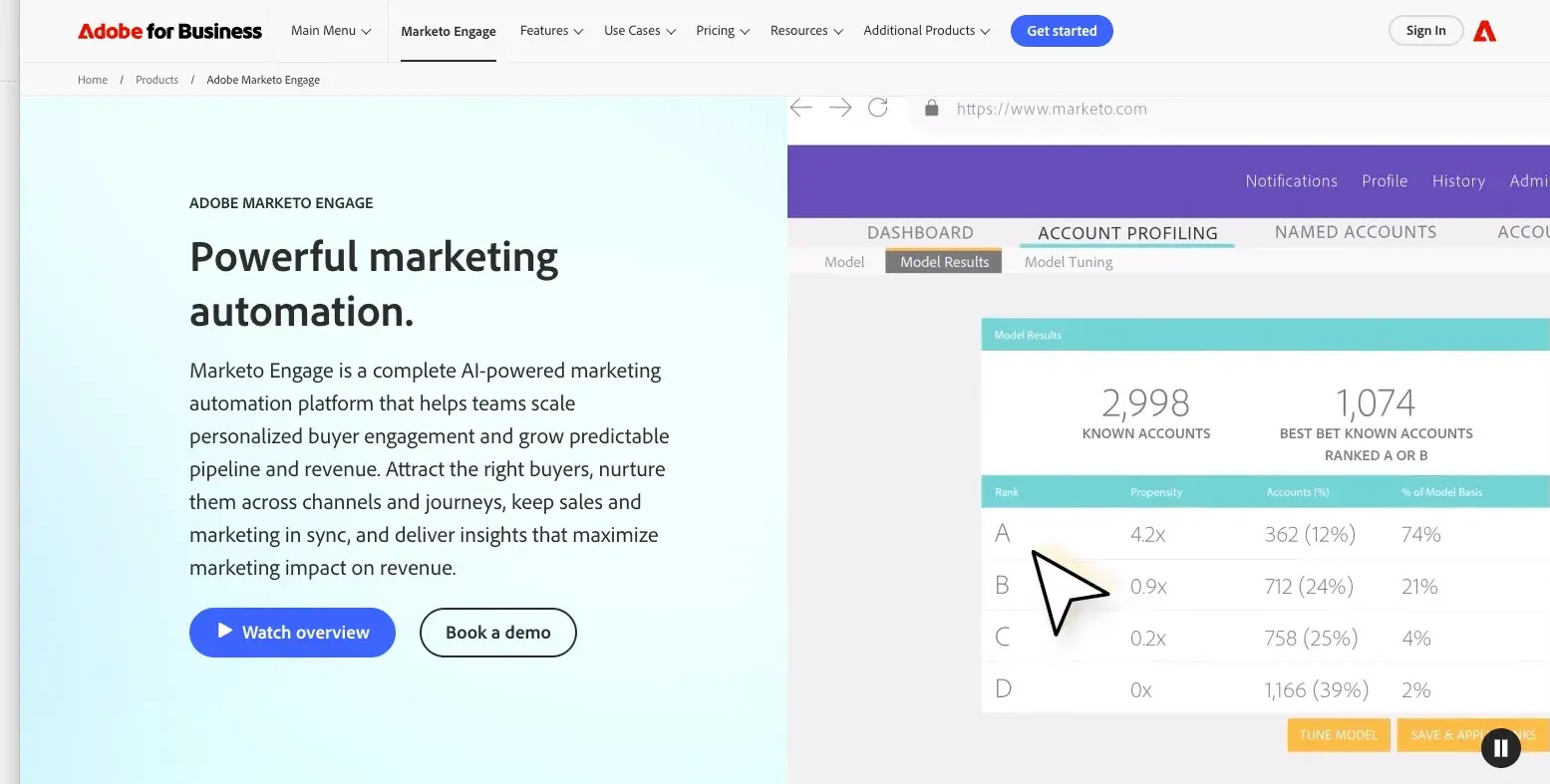
Marketo Engage supports GDPR requirements through configurable consent management, access controls, and enterprise-grade data governance features. It is designed for complex marketing environments with centralized oversight.
Key GDPR features include:
- Consent and permission fields on lead records.
- Role-based access controls.
- Data access, export, and deletion tools.
- Audit logs for marketing activity.
- Support for Data Processing Agreements (DPAs).
Best for: Large organizations with advanced marketing operations and dedicated compliance resources.
Pricing: Enterprise-focused pricing; compliance and governance features included in higher-tier packages.
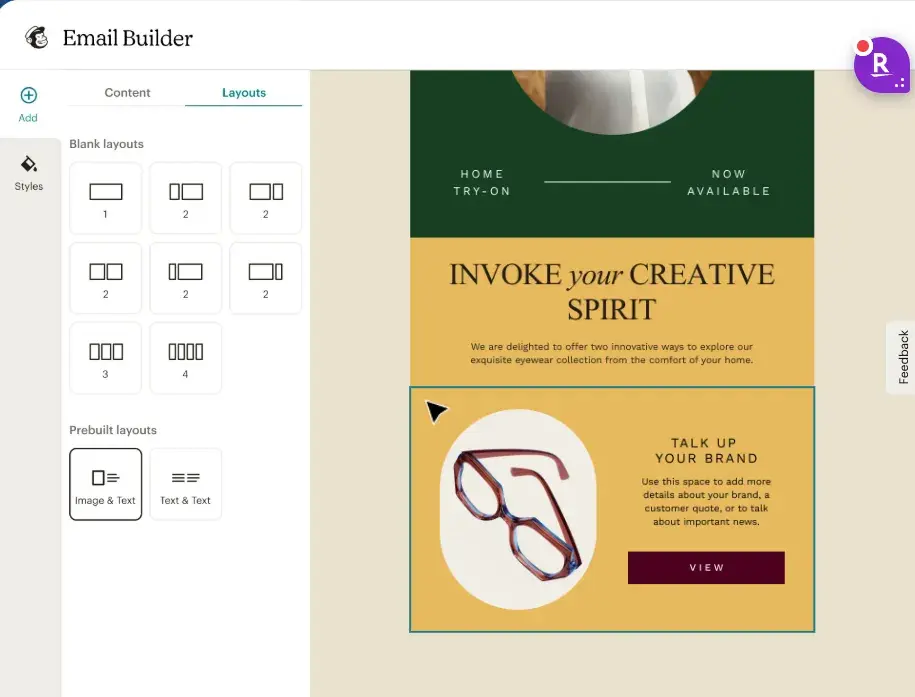
Mailchimp supports GDPR through built-in consent fields, unsubscribe controls, and tools for managing contact data. It focuses on foundational compliance needs rather than advanced governance.
Key GDPR features include:
- Consent checkboxes and audience permissions.
- Unsubscribe and preference controls.
- Contact data access and export.
- Contact deletion and anonymization tools.
- GDPR-related documentation and DPAs.
Best for: Small to mid-sized teams managing email marketing with straightforward compliance requirements.
Pricing: Tiered plans; GDPR-related controls available across plans with varying depth.
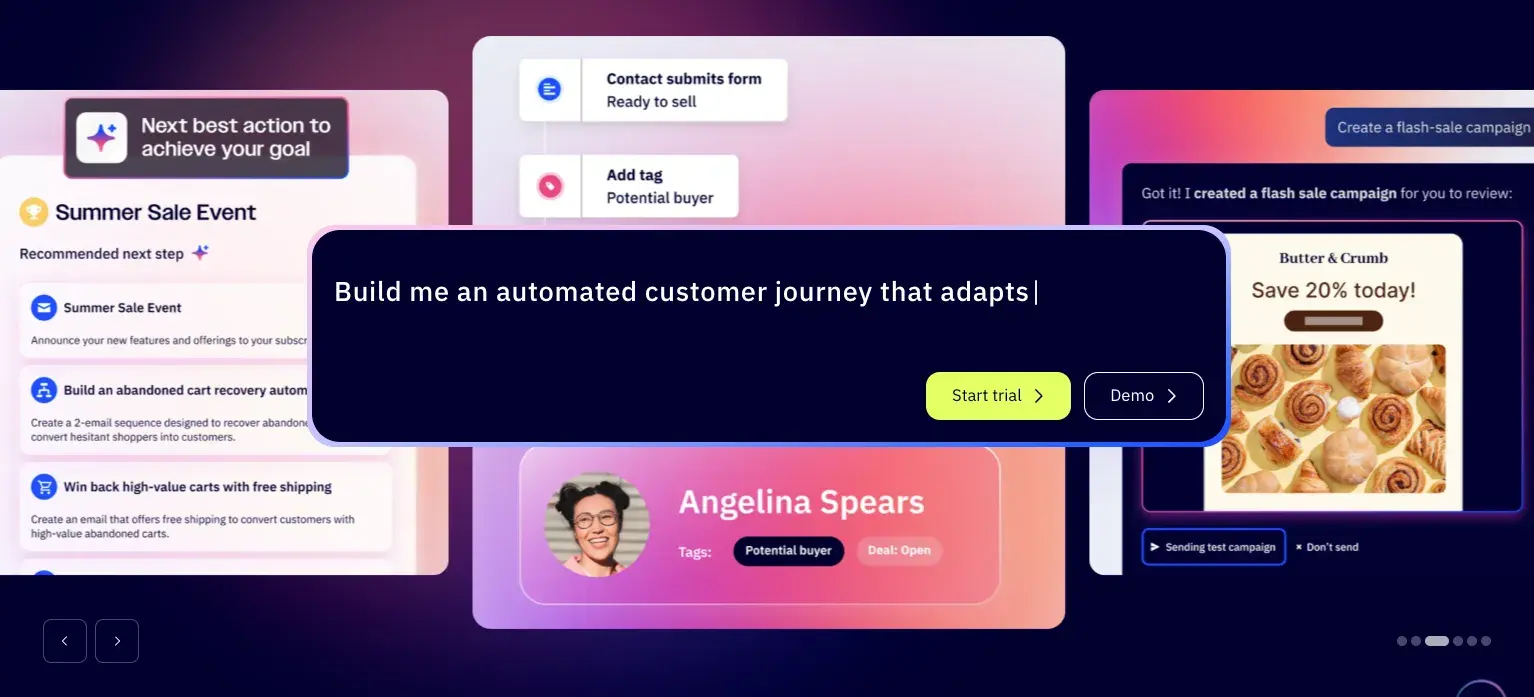
ActiveCampaign provides GDPR-supporting features designed to manage consent and personal data within automation-driven marketing workflows.
Key GDPR features include:
- Consent fields and tagging.
- Subscription and preference management.
- Contact access, export, and deletion.
- Role-based user permissions.
- Data Processing Agreement (DPA) availability.
Best for: Teams using marketing automation that need basic GDPR controls without enterprise-level complexity.
Pricing: Tiered plans; data governance and compliance features vary by edition.
Sales Software for GDPR Support
Sales software that supports GDPR helps organizations manage personal data generated through meetings, calls, emails, and sales activities while supporting lawful processing, access controls, and auditability. Sales tools frequently capture meeting outcomes, conversation data, and follow-up activity — making them a key part of managing GDPR requirements well beyond the meeting itself.
|
Feature / Capability |
黑料吃瓜网 Sales Hub |
Gong |
Reply.io |
|
GDPR documentation available |
? |
? |
? |
|
Consent & lawful basis tracking |
? |
— |
— |
|
Role-based access controls |
? |
? |
? |
|
Activity & audit history |
? |
? |
— |
|
Conversation recording controls |
? |
? |
— |
|
Recording consent notifications |
? |
? |
— |
|
Data access & export |
? |
? |
? |
|
Data deletion/retention controls |
? |
? |
? |
|
CRM-native integration |
? |
— |
? |
|
Data Processing Agreement (DPA) |
? |
? |
? |
Pro tip: Conversation data requires special handling. Call recordings, transcripts, and AI summaries can contain sensitive personal data. Sales teams should apply stricter retention and access rules to conversational data than to basic contact fields.
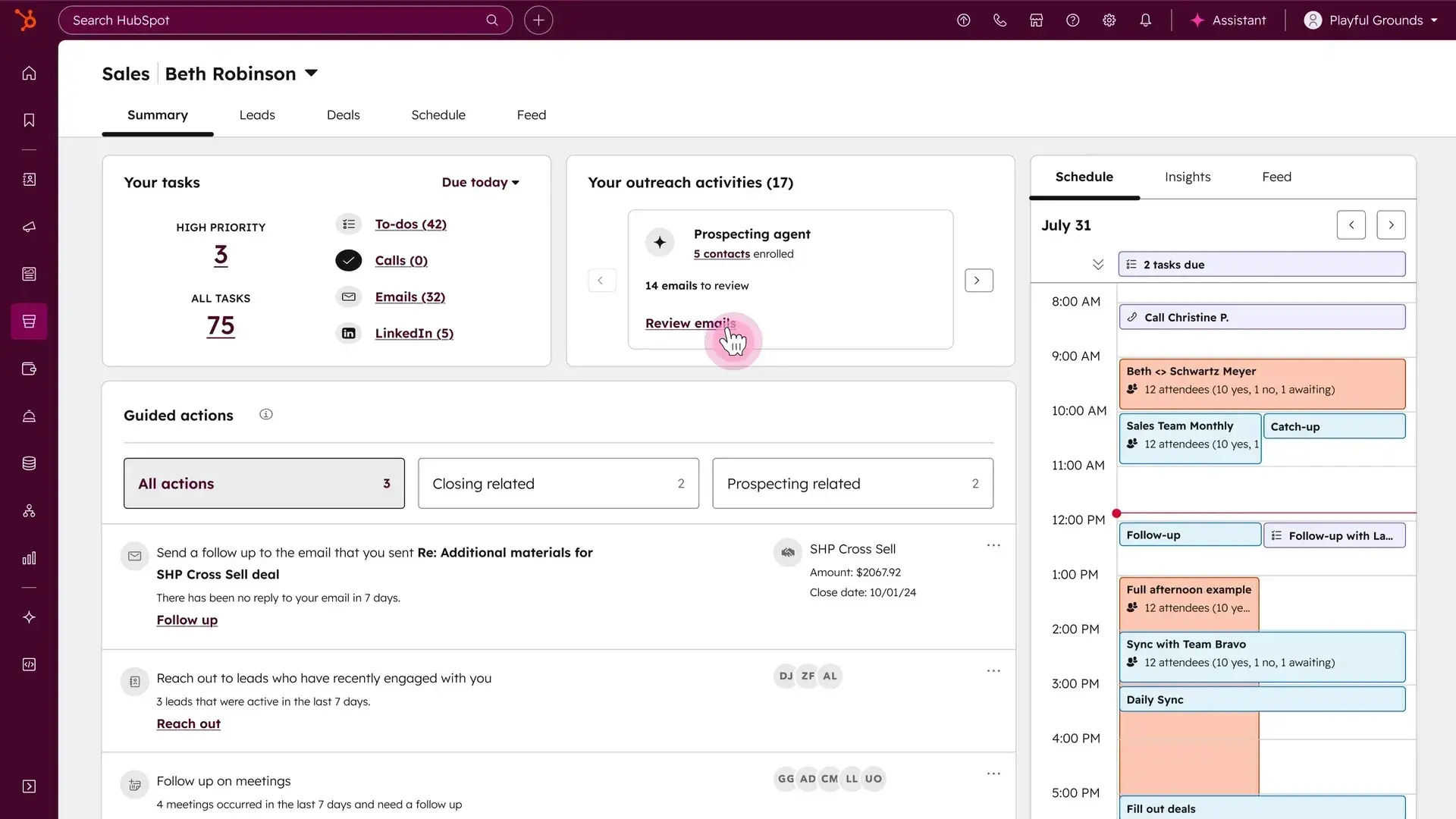
黑料吃瓜网 Sales Hub supports GDPR by managing sales activity, meeting follow-up, and personal data usage within the same system that governs consent, access, and retention. This reduces the risk of sales teams acting on meeting data without appropriate controls or visibility.
At a glance, 黑料吃瓜网 Sales Hub supports GDPR obligations through:
- Sales activity tied to consented CRM records.
- Role-based permissions and data access controls.
- Logged meeting activity and follow-up history.
- Retention and data minimization controls.
- Native alignment with CRM and Marketing Hub.
Best for: Organizations that want sales workflows — meetings, follow-up, and deal activity — to remain governed by the same GDPR controls used across CRM and marketing systems.
Pricing: Tiered plans; compliance-related controls increase with higher tiers and CRM integration.
How 黑料吃瓜网 Sales Hub Supports Your GDPR Obligations in Practice
Sales Activity Governed by CRM Consent Records
Because Sales Hub operates on the same contact records as 黑料吃瓜网 CRM, sales outreach and follow-up can be aligned with documented consent and lawful basis rather than relying on disconnected tools.
Visibility and Auditability of Sales Interactions
Sales Hub maintains detailed timelines of meetings, emails, calls, and notes associated with contact records. This provides traceability for how personal data is used throughout the sales process.
Access Controls and Internal Accountability
Role-based permissions help limit who can view or modify sensitive personal data, reducing internal exposure and supporting GDPR principles of access limitation.
Controlled Use of Meeting Data
Meeting outcomes and follow-up actions can be logged without duplicating or exporting personal data into unmanaged systems, helping reduce downstream compliance risk.
Free Sales Software
Built for productivity, powered by relevance.
- Sales Automation
- Call Tracking
- Lead Prospecting
- And More!
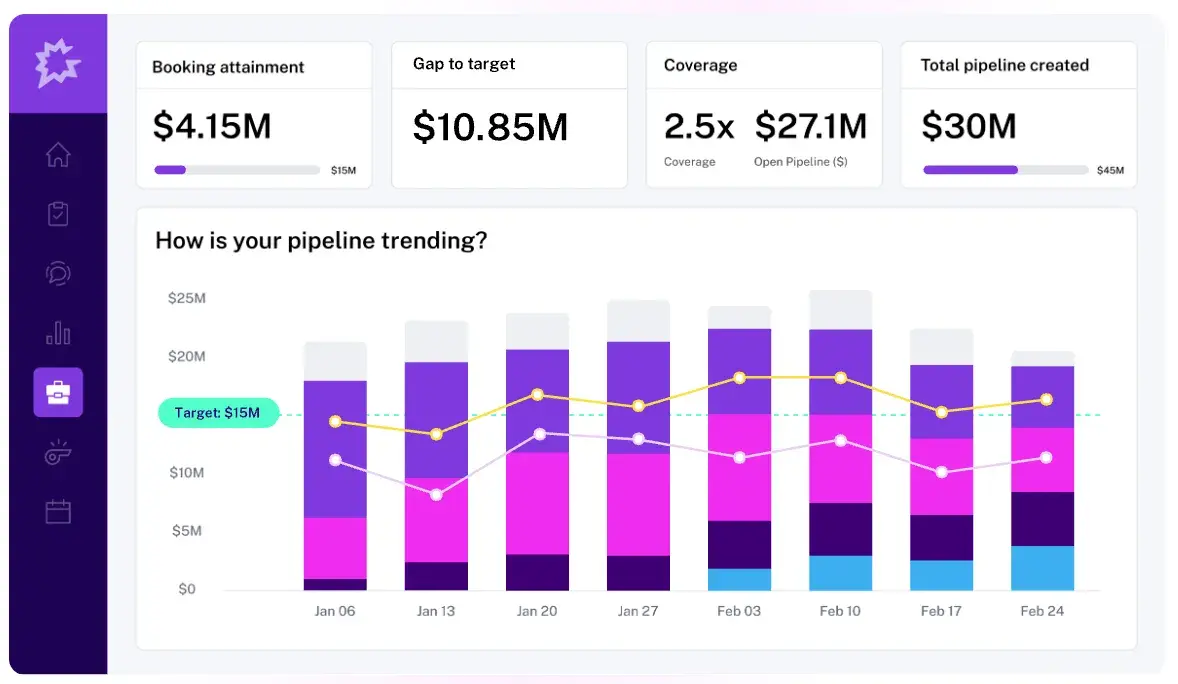
Gong processes large volumes of conversational data from sales calls and meetings, making consent, retention, and access controls especially important for GDPR.
Key GDPR features include:
- Conversation recording and transcription controls.
- Role-based access permissions.
- Data access and deletion tools.
- Retention policy configuration.
- GDPR documentation and DPAs.
Best for: Sales organizations using conversation intelligence that need structured controls for recorded meeting data.
Pricing: Enterprise pricing; compliance and retention controls included as part of conversation intelligence offerings.
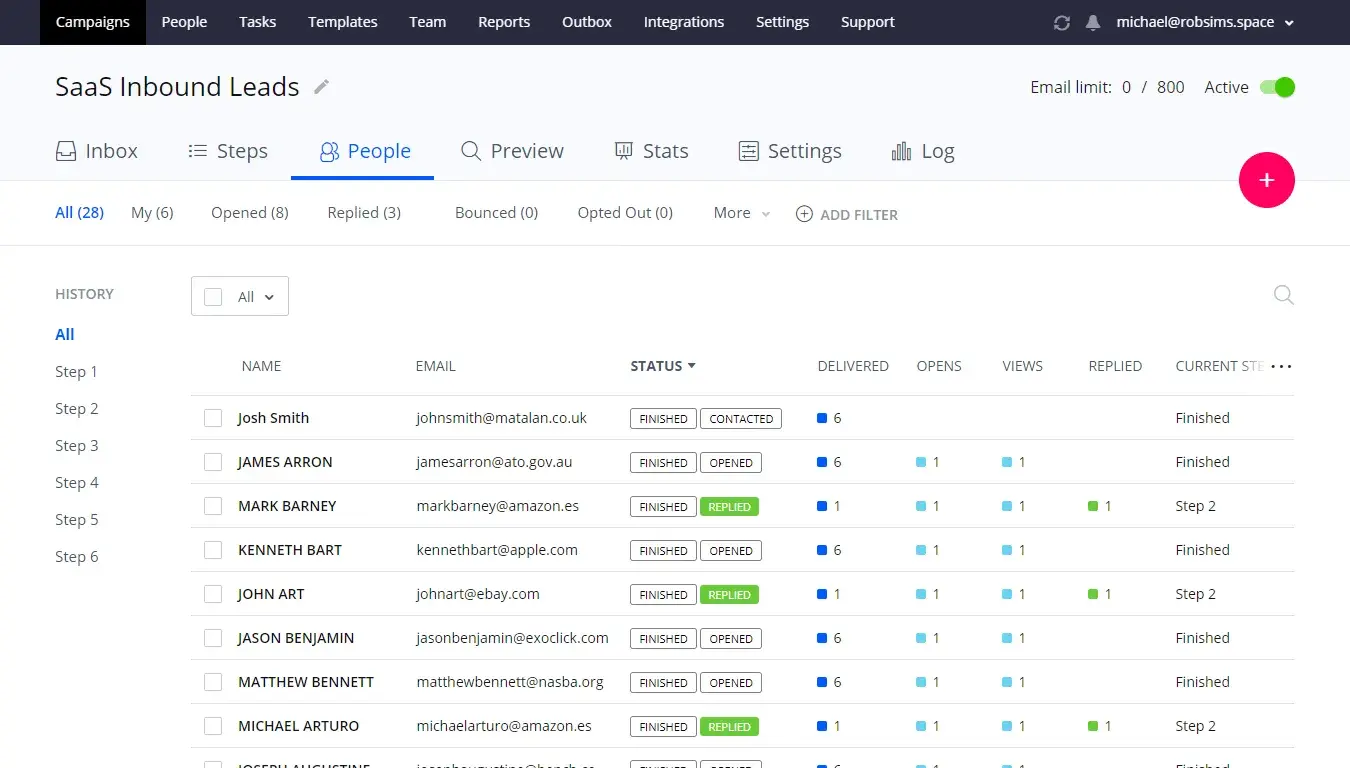
Reply.io supports GDPR needs by providing controls for managing outreach data, integrations, and contact records within sales engagement workflows. How well it supports your GDPR requirements depends heavily on how it is connected to upstream CRM systems.
Key GDPR features include:
- Contact data access and export tools.
- Data deletion and retention options.
- Role-based user permissions.
- Integration controls with CRM platforms.
- GDPR documentation and DPAs.
Best for: Sales teams running outbound engagement that rely on CRM systems to manage consent and lawful basis.
Pricing: Tiered plans; GDPR support depends on configuration and CRM integration.
Pro tip: In practice, sales engagement tools like Reply.io are most GDPR-effective when paired with a centralized CRM that governs consent, access, and retention. Without upstream controls, outbound tools can unintentionally amplify compliance risk by acting on incomplete or outdated consent information.
Frequently Asked Questions About GDPR and Meeting Software
Does Zoom comply with GDPR?
Zoom can be configured to support your organization’s GDPR obligations when organizations apply appropriate settings and supporting policies. Zoom provides GDPR documentation, Data Processing Agreements (DPAs), and controls for data residency, encryption, recording notifications, and access management. However, meeting GDPR obligations ultimately depends on how Zoom is configured and governed by the organization using it, including consent practices, retention settings, and integration controls.
Can software be GDPR compliant?
Software itself is not automatically “GDPR compliant.” Tools are neither compliant nor non-compliant; it’s their use by the data controller that is compliant or not. However, tools can support GDPR readiness when they include the required technical and organizational controls.
Software designed to support GDPR typically provides features such as consent management, access controls, audit logs, data retention policies, and support for data subject rights. Organizations remain responsible for configuring these tools correctly and using them in accordance with GDPR requirements.
What happens to meeting recordings under GDPR?
Meeting recordings are considered personal data under the GDPR when individuals can be identified through audio, video, or contextual information. As a result, organizations must have a lawful basis for recording meetings, inform participants when recordings occur, restrict access to recordings, and define retention and deletion policies. Transcripts, AI-generated summaries, and chat logs associated with recordings are also subject to GDPR obligations.
Do organizations need consent for every meeting?
Consent is not required for every meeting, but organizations must always have a lawful basis for processing personal data. In some cases, legitimate interest or contractual necessity may apply. However, explicit consent is often required when meetings are recorded, transcribed, or used for purposes beyond the original meeting context, such as training, analytics, or marketing follow-up. Transparency and participant notification are always required.
How should organizations handle international meeting participants?
When meetings involve participants outside the EU/EEA, organizations must ensure that international data transfers comply with GDPR requirements. This includes understanding where meeting data is processed and stored, using appropriate transfer mechanisms (such as Standard Contractual Clauses), and confirming that meeting software vendors provide transparency around cross-border data flows and subprocessors.
Software that supports GDPR isn’t optional.
Meeting software that fits your GDPR needs is a critical part of modern business operations, but compliance does not stop at the meeting itself. Organizations must evaluate how meeting data flows into CRM, marketing, and sales systems — and ensure each layer of the software stack supports consent, transparency, access control, and data subject rights.
By selecting the right software and applying data protection by design and by default across configurations, policies, and training, organizations can reduce regulatory risk while continuing to collaborate, sell, and grow responsibly.
For organizations looking to extend compliance across their go-to-market systems, 黑料吃瓜网 offers a range of tools designed with , including features that support consent management, data governance, and transparency.
Editor's note: This post was originally published in November 2020 and has been updated for comprehensiveness.
黑料吃瓜网's Free CRM Software
Free CRM Software & Tools for Your Whole Team
- Sales
- Marketing
- Operations
- Customer Service
Marketing News
![The best marketing campaigns of the year (thus far), what to learn from them, and why they worked so darn well [new data]](https://53.fs1.hubspotusercontent-na1.net/hubfs/53/marketing-campaigns-1-20250508-1357892.webp)

![Bluesky is Now Open to the Public. Should your business be there? [Expert Interview]](https://53.fs1.hubspotusercontent-na1.net/hubfs/53/bluesky-is-open-to-the-public.png)