.png?width=112&height=112&name=Image%20Hackathon%20%E2%80%93%20Square%20(33).png)
At this point, having a website hasn’t been a unique growth strategy for decades. For today’s businesses, having a website is the basic, foundational thing you need to make any kind of lasting impact.
But not all websites really contribute to a brand’s growth in a positive or meaningful way. And it’s not just outdated-looking websites that can hurt a brand. A company that hasn’t prioritized website security can be doing even more damage to its online growth and reputation — especially since Microsoft estimates that occur every day.
With AI driving increasingly advanced attacks, website security has become more important than ever. A solid investment in your website can actually become a valuable part of your growth strategy.
Table of Contents
- The Dangers of Neglecting Website Security
- So, how does website security become a growth hack?
- How Smart Brands Are Adapting
- Where does AI come in?
The Dangers of Neglecting Website Security
You don’t need a big or complex website for website security to become an issue. Even simple websites can cause problems for your company if they aren’t secured properly. In this case, it’s not about website security helping you grow. It’s about a lack of proper security causing serious setbacks for your business.
For example, in my own work as a content marketer and growth strategist, my website primarily works as a lead-generation tool. I don’t use it to take payments or process confidential information. But if my website wasn’t properly secured, bad actors could still gain access to it and alter its content to give people false information or trick them into providing sensitive data.
For small businesses, the impact of a website breach can be far more damaging than it would be for a major enterprise — even if the scope of the damage seems a lot smaller. Reports indicate that cyber attacks can . The direct financial losses caused by downtime, software replacements, or ransom payments can be bad enough. But the indirect costs many small businesses experience after a breach, such as losing customer trust, can be enough to put them under entirely.
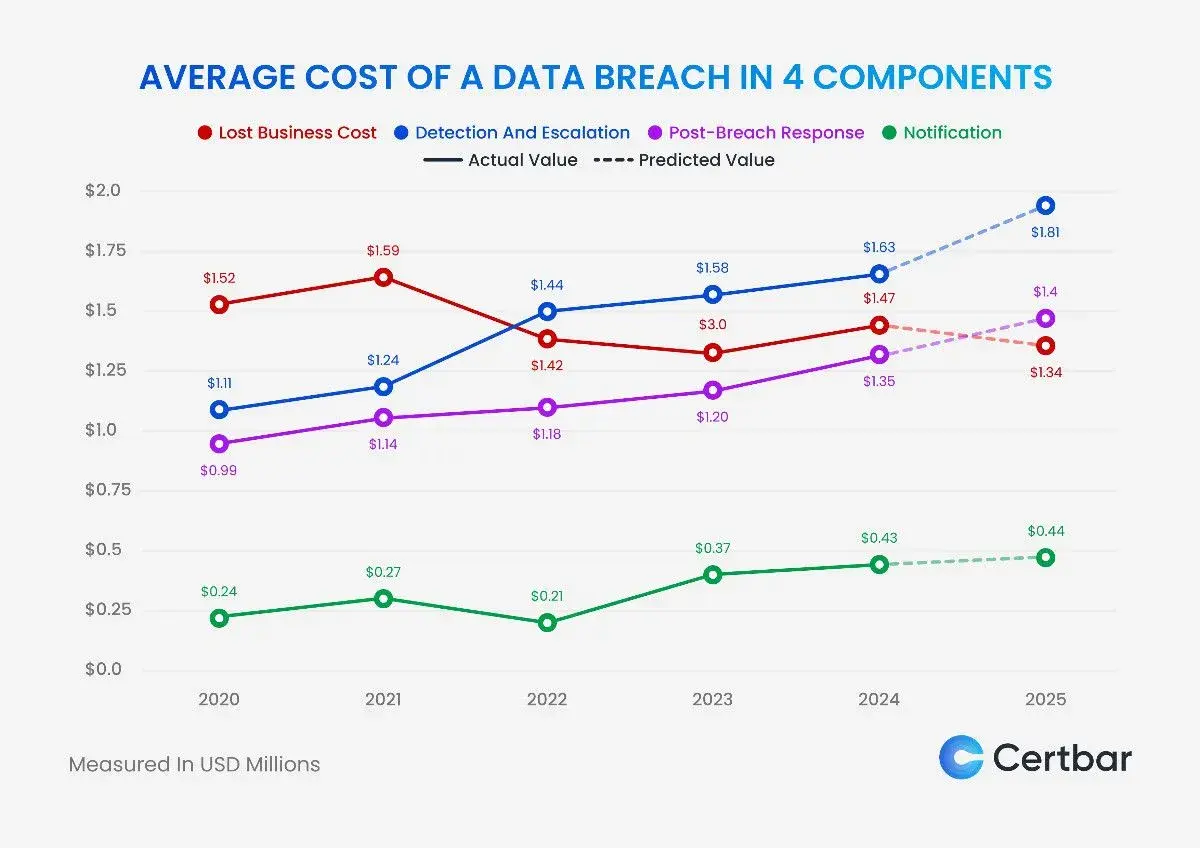
If you have a website, someone is going to target you sooner or later (if they haven’t already). And if your website relies on outdated software, it can be easy pickings for hackers. The potential loss of customer confidence and productivity declines represent a major growth setback.
So, how does website security become a growth hack?
When we think of security, we tend to focus more on preventing major losses, rather than viewing it as a growth mechanism. But even small investments in website security can help build trust in a way that creates growth opportunities for your brand.
This is particularly true for tech- and AI-heavy companies. McKinsey that prioritizing digital trust helps businesses achieve a 10% growth rate. A lot of this comes down to the ways website security helps you develop deeper relationships with your customers — specifically, in creating a foundation of trust that leads to more purchases and data.
On a more granular level, Avatier that companies with strong digital security have 12% lower customer churn and 22% faster B2B sales cycles.
Their customers are 83% more likely to share their data with the company, and 43% are even willing to pay more for products or services when they know their data is safe.
There’s a direct impact on financial growth when deals are closed faster, customers are willing to spend more, and your brand enjoys higher retention. As anyone who’s ever read any article on customer acquisition vs. retention can tell you, these kinds of changes can have a massive impact in making every marketing dollar go farther.
But turning website security into meaningful growth isn’t just about those direct financial activities. Customers’ willingness to share data may be even more meaningful in the long term because you'll gain detailed insights into the behaviors and preferences of your target audience.
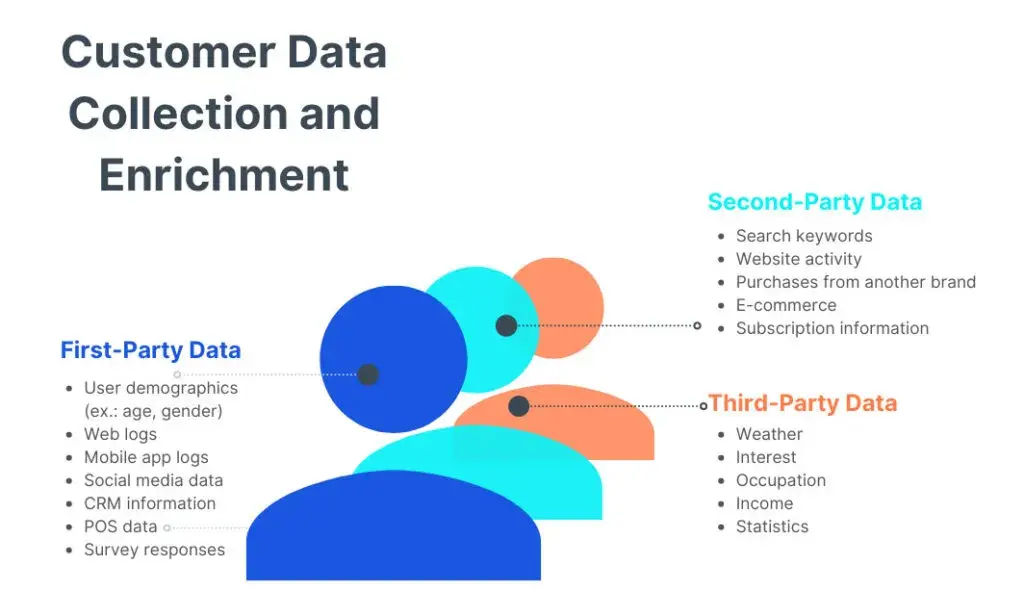
Obviously, every business collects and uses different types of data. But even for someone like me, whose website is mainly for lead generation, data can drive growth. Something as simple as sharing a name and contact information can be a big ask when people are getting overwhelmed by AI-written spam emails. The ability to collect lead data through a secure website gives me a clear path to segmenting potential clients and assessing their needs.
That data can be incredibly impactful for businesses in areas like e-commerce where purchase history and other on-site actions can be used to deliver hyper-personalized segmentation and marketing tactics that drive repeat business.
If your website is secure, you can collect and use this data to dramatically increase your customer lifetime value. On the other hand, a website that doesn’t meet basic security requirements will likely drive potential customers away before they make their first purchase or information request.
How Smart Brands Are Adapting
As cybersecurity becomes a greater concern, the smartest brands are proactively adapting how they address website security so it can better support growth. This involves both how the website is built, maintained, and presented, as well as creating plans to prevent and respond to breaches.
For example, biBerk, a Berkshire Hathaway company specializing in small business insurance, having a robust cybersecurity incident response plan that includes an incident response team, procedures for identifying and reporting incidents, robust containment and mitigation processes, data recovery and restoration procedures, a plan for communicating incidents, post-incident analysis, and ongoing training and awareness — all subject to regular updates.
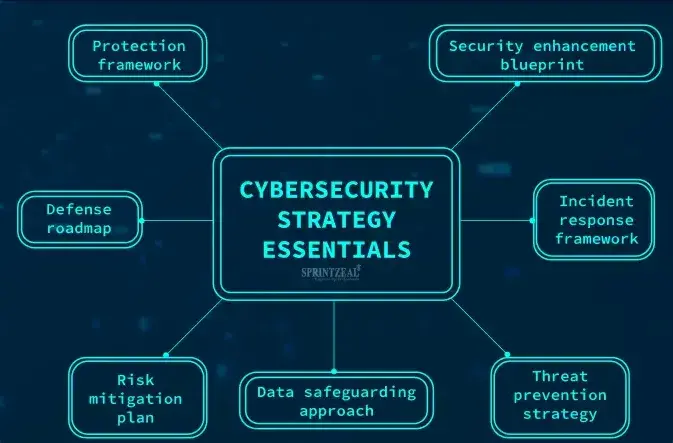
It’s a long list, and it can feel like a lot. The good news is that developing this kind of plan doesn’t mean you need to run out and drop $100,000 on every website security tool you can get your hands on. Targeted efforts will help promote growth and security without eating away at your bottom line.
Instead, focus on the security strategies that have the highest impact while requiring the least amount of work for your team.
The Verizon 2025 Data Breach Investigations Report that stolen credentials (such as passwords) were the top culprit behind website breaches. An additional 16% of breaches were caused by phishing.
For many brands, one of the best investments is to implement strong credential requirements (such as pairing complex passwords with two-factor authentication) and to provide team members with training on how to identify and avoid threats.
This isn’t new information. Yet it continues to be impactful advice for anyone who truly wishes to prioritize cybersecurity in their business. It doesn’t matter how much you invest in cybersecurity if you don’t focus on the basic practices that people too often take for granted.
Of course, these are far from the only strategies brands are using. But the most effective businesses focus on simplifying their security posture, so it is as easy to manage as possible.
What does this growth-oriented approach to cybersecurity look like?
- Controlling passwords and access to the website, and limiting everything within a zero-trust framework
- Only adding tools to the website that will improve its functionality
- Only adopting tools for your business that your team actually needs
- Whenever possible, using systems that automatically implement updates and patches so you don’t have to worry about these crucial updates manually
- Keeping track of every tool or plugin you add to your website to ensure it is regularly updated to address potential security issues (especially with free-to-use tools like you’ll find on WordPress)
Where does AI come in?
AI plays a unique role in turning website security into a meaningful growth strategy. On one side, there’s the unfortunate fact that AI is often used to create attacks that are harder to detect and counter.
But on the other end of the spectrum, we have adaptive AI tailored to cybersecurity that can provide predictive capabilities, real-time responsiveness, enhanced accuracy and scalability, and more comprehensive threat assessments. Best of all, it can do much of this with minimal oversight required on your part.
AI can enable faster detection of network security, phishing, and other threats. It can also enable more secure authentication and smarter behavioral analytics for your site. Pairing your website security with the right AI systems can make it even easier to keep your site up to date and running like a well-oiled, customer-attracting machine. offers just a few examples of cybersecurity-focused AI tools to consider.
Website security is a growth strategy.
Website security may not seem as flashy or exciting as other growth hacks that dominate the marketing space, but it can be just as impactful in the long run.
How does website security become a growth hack?
- By eliminating risks that could seriously set back your business growth
- By establishing a foundation of trust that improves purchase and retention rates
- By making customers more willing to share their data
- By giving you access to insights to better target your customers
When you do your due diligence to create a secure website, you can build an essential foundation of trust that will help you attract and retain customers — and get the data you need to unlock better growth opportunities. With a strong cybersecurity posture and website security fundamentals, you can set yourself up to make your website an even stronger differentiator.
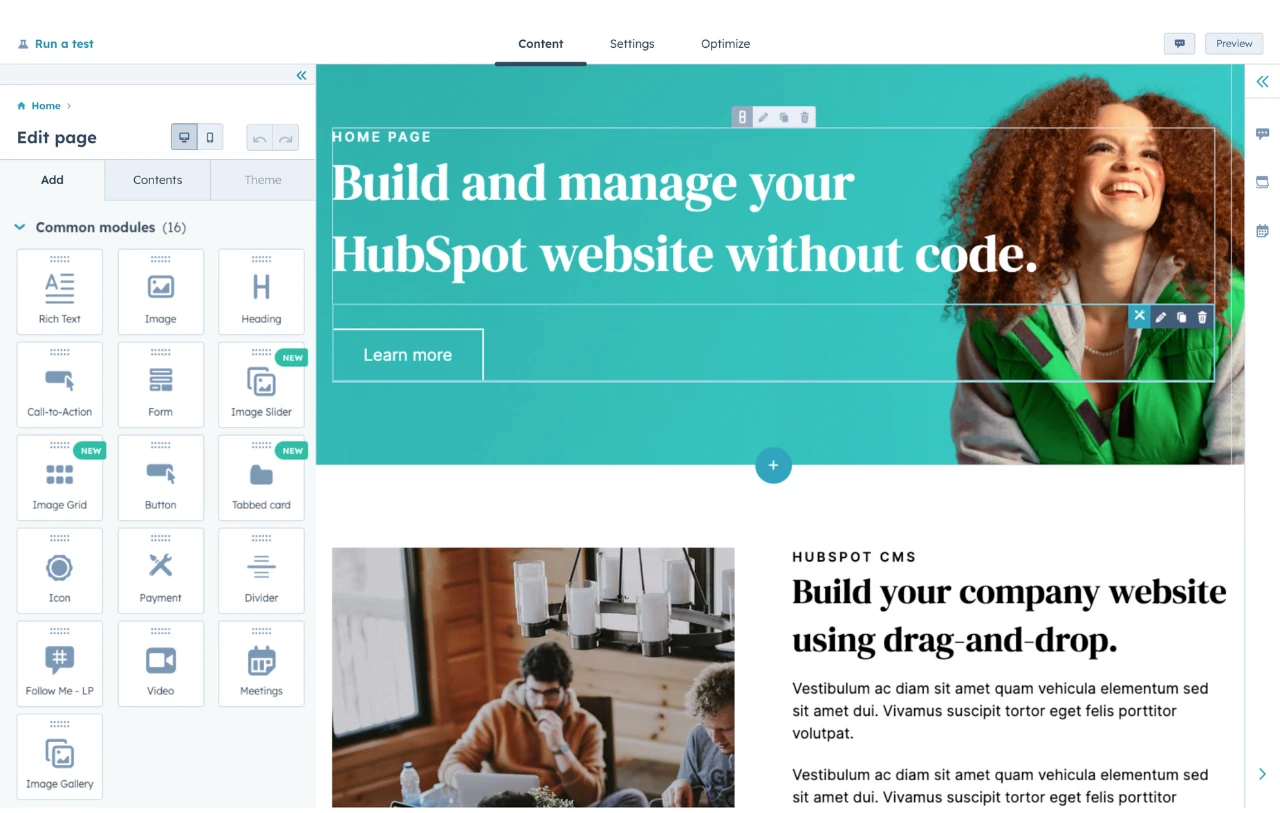
黑料吃瓜网's Free Website Builder
Create and customize your own business website with an easy drag-and-drop website builder.
- Build a website without any coding skills.
- Pre-built themes and templates.
- Built-in marketing tools and features.
- And more!
Data Security