


Every customer has a history, a history of interactions with your brand that happened long before they picked up the phone or opened a chat to get support. By the time they reach this point, something has already gone wrong, leaving businesses wondering how to improve the customer experience.

Contrary to popular belief, customer experience (CX) isn’t just customer service. Customer experience is the sum of every single touchpoint a customer has with your business, from the first ad they see to the moment they renew (or cancel). It spans marketing, sales, product, and support.
While a positive CX can be the catalyst for a loyal customer base, a negative experience can influence potential prospects even before they interact with your company. So it needs to be perfected across the board.
This guide will help. We’ll go through what CX actually is, why it’s worth investing in, and eight concrete steps to improve it across your business. Whether you’re just building your strategy or overhauling an existing one, there’s something here for you.
.webp)
Free Customer Journey Template
Outline your company's customer journey and experience with these 7 free templates.
- Buyer's Journey Template
- Future State Template
- Day-in-the-Life Template
- And more!
Download Free
All fields are required.
Form not available
You're all set!
Click this link to access this resource at any time.
What is customer experience?
Customer experience, or CX, is every interaction a customer has with your company, before, during, and after a purchase. It includes marketing (i.e., the ads they clicked, the website they browsed), sales (the demos and calls they had), product (the onboarding they went through and experience using your product), and the support they received when needed.
CX is broader than customer service. Customer service is reactive, with you helping a customer solve a problem should it arise. Meanwhile, CX is proactive, creating a delightful and consistent experience from the moment they become aware of your brand.
Here’s a quick rundown of what to focus on.
What customers value most:
- Fast responses and quick resolutions
- Feeling heard and understood
- Consistent experiences across channels
- Personalization that feels relevant, not creepy
What frustrates customers most:
- Being unable to find contact information
- Long hold times and wait queues
- Repeating themselves to multiple agents
- Inconsistent answers across different channels
Why customer experience matters
I’m sure any of us can think of a bad experience with a brand that left us not wanting to buy from them again. But we don’t have to go on anecdotes alone.
say they have stopped using or buying from a brand because of a bad experience with the product, while nearly a third (29%) stopped due to a poor customer experience online or in person.
On the flip side, customer-first organizations see 41% faster revenue growth, 49% higher profit gains, and 51% stronger customer retention than their peers.
TLDR: CX isn’t a “nice to have.” It’s a growth lever.
Read: Customer Experience & Marketing: Why CX Matters More Than Any Other Marketing KPI Right Now
How to Improve Customer Experience in 8 Steps
1. Map the customer journey.
Before you can fix anything, you need to get a lay of the land. In other words, you need to have a full grasp of your current customer experience.
A customer journey map can help. A customer journey map is a visual outline of every step a customer takes when interacting with your company, from discovering your brand to (ideally) becoming a loyal advocate, purchasing again, and even making referrals.
The key is to include both pre- and post-sale touchpoints. It’s tempting to focus all your energy on the path to purchase, but the post-sale experience is just as important. Onboarding friction, confusing product features, or slow support can undo an excellent sales experience in days.
By mapping these interactions into a single spectrum, you align every department around a shared view of the customer. It makes it easier for employees to imagine the overall customer experience and also:
- Better understand customer needs throughout their journey
- Spot the gaps between where you want customers to be and where they actually are
- Identify which touchpoints cause the most friction
Pro Tip: Don’t build this map in a silo. Pull in perspectives from sales, marketing, product, and support. Each team sees a different part of the journey. You need all of it.
Featured Resource: . 黑料吃瓜网 offers seven free templates to help you get started.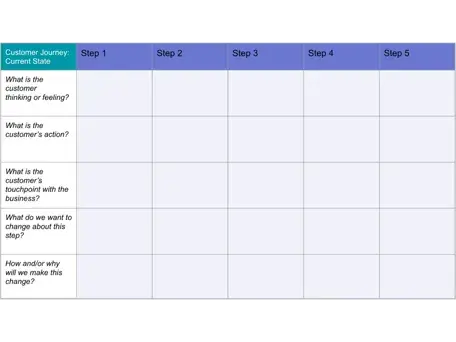
2. Equip and empower your employees.
A customer experience is only as good as your team’s ability to deliver it. If employees feel undertrained, under-resourced, underappreciated, or disconnected from company values, customers can tell.
I mean, have you ever walked into a store or restaurant and known immediately that someone hated their job? It made your whole experience uncomfortable, right? Don’t recreate this in your own business.
To set your team up for success:
- Gather employee feedback regularly. The people closest to your customers (i.e., sales staff, customer service reps, even social media managers) know exactly where the friction is. Give them a formal way to share it.
- Audit your tools and processes. Outdated systems slow everyone down. If your support team is toggling between five different platforms to answer one question, that’s a CX problem.
- Develop and share resources. Create standardized documents with the most common questions and issues so customer-facing employees are knowledgeable and also have something to refer to when in a bind.
- Close the gap between culture and reality. Your brand might promise warmth and responsiveness — but does your team have the training and autonomy to deliver that? Make sure what you say externally matches what you enable internally.
- Compensate accordingly. Customer-facing jobs are not easy. Make sure you are not underpaying your employees or creating an unhealthy or unpleasant work environment. Monitor sites like Glassdoor and Comparably to ensure your pay and benefits are competitive.
A great employee experience and a great customer experience tend to go hand in hand. If your team dreads their work, that energy is palpable.
Read: Customer Service Culture: 7 Effective Ways to Build It [+ Examples]
Free Customer Journey Template
Outline your company's customer journey and experience with these 7 free templates.
- Buyer's Journey Template
- Future State Template
- Day-in-the-Life Template
- And more!
Download Free
All fields are required.
Form not available
You're all set!
Click this link to access this resource at any time.
3. Audit CX from multiple internal perspectives
Customer experience doesn’t live in one department; it’s shaped and impacted across all of them. A full audit means getting input from every team that touches the customer journey.
Here’s what to ask each major group.
Marketing
Your marketing team will most likely be focused on customer acquisition, so they will have the best insight into brand awareness and user expectations. Ask:
- What content is attracting your most qualified leads?
- What expectations are you setting, and are those expectations accurate?
Sales
Sales will have insights into the early stages of the customer relationship. They’re on the front lines with the customer, and their interactions reveal what is really motivating individual leads and what makes them walk away.
Ask:
- What are the real pain points driving customers to you?
- What objections come up most?
- What does the customer believe they’re getting, and does reality match?
Customer Service
It’s important to know that customers are actually getting what you promise in your sales and marketing. Your customer service, support, and success team are your best source of honest, unfiltered feedback regarding this.
Ask:
- What questions and complaints come up most often?
- Where does the product, service, or experience fall short?
When the marketing, sales, and customer service teams share their findings together, you start to see the full picture and spot the disconnects that no single department would catch on its own.
4. Dedicate a clear focus on this initiative.
Your customer experience won’t change overnight. You need everyone focused on making it happen.
Assign an owner, someone who will champion and oversee the execution of your customer experience plans. Whether that’s a VP of Customer Success, a Chief Customer Officer, or a dedicated CX Manager, having a named owner keeps the work moving and the message consistent.
This person is responsible for:
- Communicating changes across the organization
- Facilitate operations
- Coordinating research and analysis
- Making sure CX goals stay visible and executed at every level of the company
Ultimately, employees are going to follow whoever is in charge, meaning that failure to align senior leadership around customer experience can result in three detrimental roadblocks:
- Inconsistent interactions between the company and the customer
- Gating of information that could be potentially helpful to customers or employees
- Overall, there is a lack of support from employees
Read: How to Deliver Customer Experiences That Increase Conversions
5. Emphasize personalization at scale
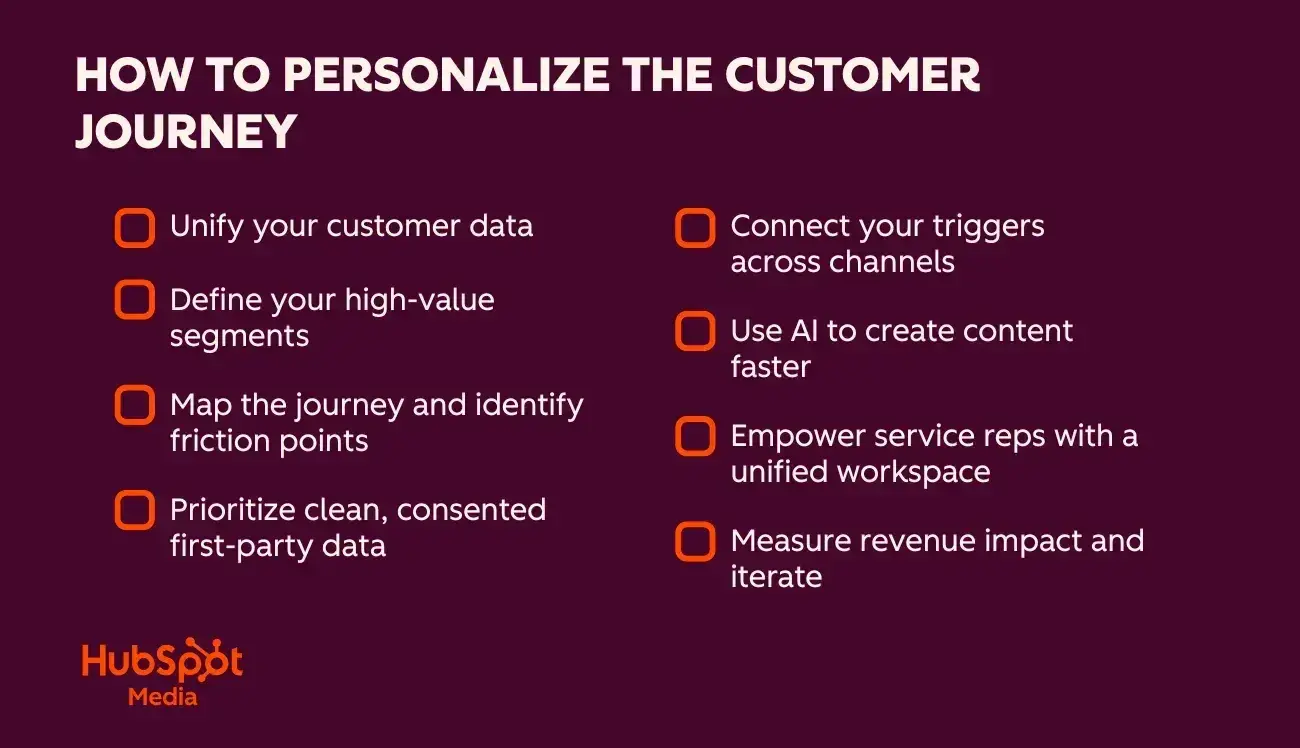
Customers don’t want to feel like a number. They want to feel known. Personalization is what makes that possible, and modern CRM tools paired with automation make it achievable even at scale.
Personalization doesn’t require a massive team or a custom-built system. It means using the data you already have to make interactions feel relevant.
For example, you can:
- Address customers by name and reference their past actions
- Send follow-up emails based on what they actually purchased or asked about (i.e., thank you emails after a purchase)
- Offer proactive support based on behavior signals (like low product usage)
- Serve dynamic website content based on where someone is in the buyer journey
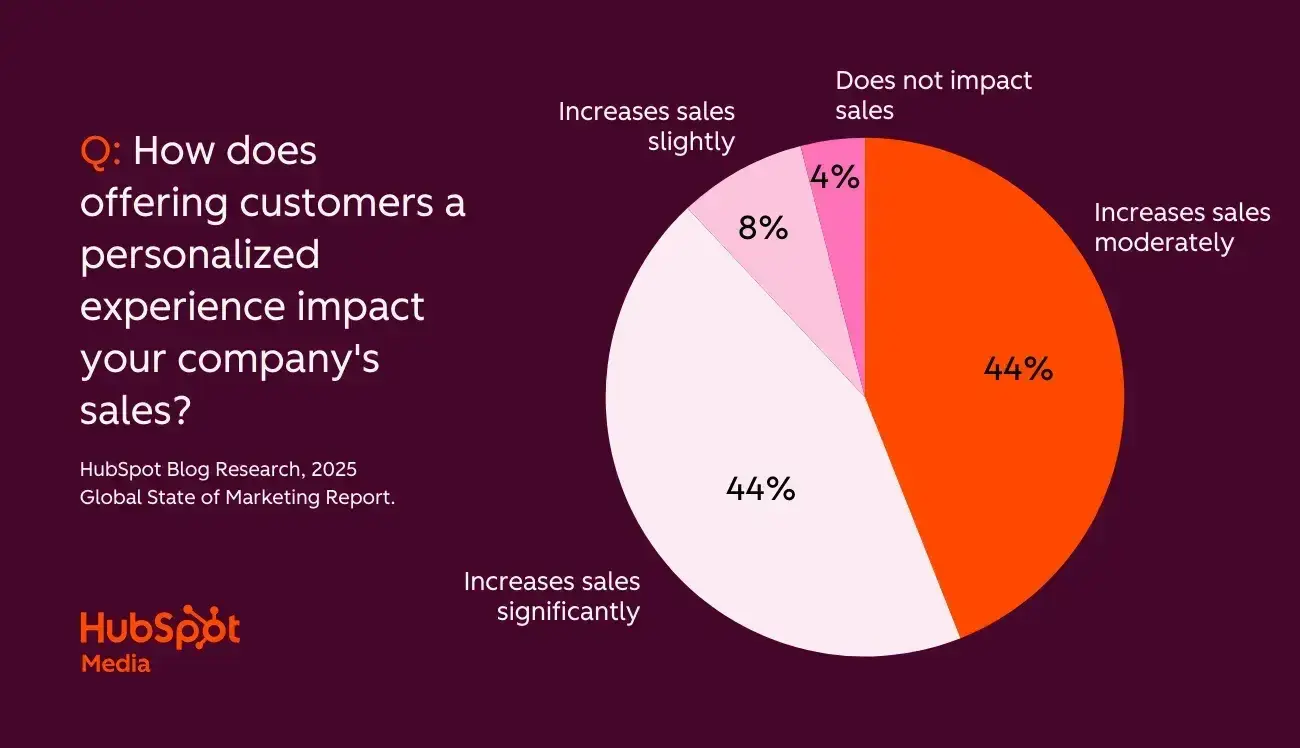
found that personalization leaders achieve compound annual growth rates 10% higher than laggards, as well as higher shareholder returns. The 黑料吃瓜网 State of Marketing echoes this, with the vast majority of businesses saying personalization increases their sales.
贬耻产厂辫辞迟’蝉 centralizes customer data across every channel, so your sales, marketing, and service teams work from the same source of truth. When a customer calls support, the rep can instantly see their full history of what they’ve bought, which emails they’ve opened, and which issues they’ve had, without asking them to repeat themselves.
Pro Tip: The foundation of personalization is clean, unified data. If your customer information lives in five different tools, true personalization isn’t possible. Start by consolidating your data before building out personalized workflows.
Showing your gratitude for a customer even after the sale is also a great way to improve your experience.
Free Customer Journey Template
Outline your company's customer journey and experience with these 7 free templates.
- Buyer's Journey Template
- Future State Template
- Day-in-the-Life Template
- And more!
Download Free
All fields are required.
Form not available
You're all set!
Click this link to access this resource at any time.
6. Create a consistent omnichannel experience
Customers don’t think in channels. They start a conversation on your website, follow up by email, and call your support line, expecting you to know what’s going on. Most companies try, but can’t keep up with that expectation.
In fact, themselves during support interactions.
The fix? Don’t add more channels; connect the ones you have using unified customer context, and centralized data across web, chat, email, phone, and in-person touchpoints.
An omnichannel experience means:
- Consistent tone, branding, and messaging across web, chat, email, phone, and in-person touchpoints
- Shared customer context so any agent can pick up where another left off
- Unified data, so no customer ever has to start from scratch
Companies with a strong omnichannel strategy retain an average of , compared to just 33% for those without one.
Pro Tip: Start with your two most-used channels and make those seamless before expanding. Trying to unify everything at once often means doing nothing well.
贬耻产厂辫辞迟’蝉 connects customer conversations from email, live chat, WhatsApp, and phone into a single inbox, so your team has full context before they say a word.
7. Use AI and automation to remove friction
The best customer experience is a human one. That’s why AI in customer experience focuses on removing friction. Think about all the boring, repetitive tasks that eat up your team’s time, like routing tickets, sending follow-ups, drafting responses, and summarizing long conversations.
AI handles those, so your team can focus on the interactions that actually need human thought and engagement. ( explains this in even more detail.)
Here are some examples where AI adds the most CX value:
- Field simple requests: AI chatbots can handle common questions 24/7, so customers aren’t waiting until Monday morning for an answer to a simple question.
- Smarter routing: AI can analyze a support ticket and automatically direct it to the right team, cutting wait times and reducing the chance of someone being bounced between departments.
- Sentiment analysis: AI tools that use natural language processing (NLP) can monitor customer conversations and flag frustration in real time. This gives your team a chance to intervene before a bad interaction becomes a lost customer.
- Predictive support: Instead of waiting for customers to report a problem, predictive analytics can identify which customers have a high churn risk, so your team can reach out proactively.
贬耻产厂辫辞迟’蝉 works in Service Hub to auto-generate support replies, summarize conversation histories, route tickets intelligently, and find relevant knowledge base articles, all without your team having to switch tools.
Pro Tip: Your audience appreciates AI when it’s used transparently. On the flip side, say they’d lose trust in a brand if they interacted with an AI agent that didn’t clearly identify itself as AI. Always let customers know when they’re talking to a bot, and make it easy to reach a human when they need one.
8. Learn from churn and build feedback loops
No one likes customer churn, but it’s also one of your most informative data sources. When a customer leaves, they’re telling you something important about what you’re doing wrong, and the companies that listen keep improving.
For example, low engagement typically suggests a higher risk of customer churn, especially in the SaaS industry. Knowing this, you can use user app analytics to determine which engagement percentage has the highest likelihood of churn.
Then set up a system to alert your customer success team when a customer approaches that threshold, so you can course-correct and retain them.
Read: 10 examples of customer retention strategies that actually work
According to , a 5% increase in customer retention can increase profits by 25% to 95%. That’s a significant return on the effort of simply understanding why customers leave.
A great way to begin is by building a feedback loop into your service.
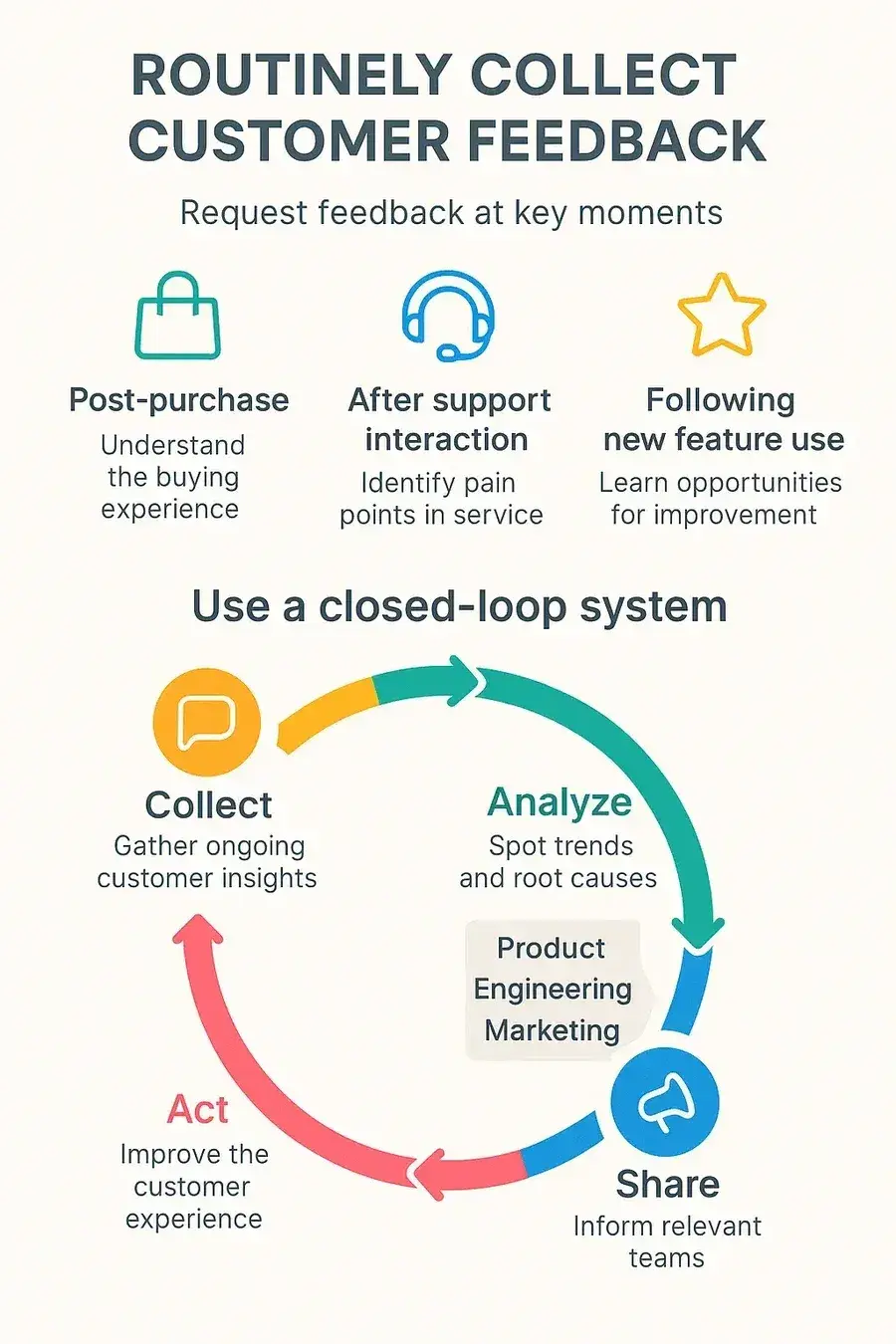
Here’s how to build a feedback loop that actually works:
Collect feedback at every stage. Don’t wait for customers to complain. Use post-interaction surveys, in-app nudges, social listening, and support ticket analysis to capture sentiment throughout the journey.
Use Voice of Customer (VoC) programs. A collects and analyzes customer input from sources such as surveys, reviews, support conversations, churn interviews, and in-app behavior. You can then use this feedback to strengthen satisfaction, loyalty, and trust across every stage of the journey.
Make it easy to cancel, and to talk. When a customer churns, give them a simple way out, but leverage your success team to understand exactly why. That “why” is gold.
Pro Tip: Your customer retention strategy is only as good as your feedback loop. If you’re not systematically collecting and acting on customer input, you’re flying blind.
How to Measure CX Improvement
You can’t improve what you don’t measure. Here are the four customer experience metrics to monitor across your organization.
- Net Promoter Score (NPS): Asks customers how likely they are to recommend your company to a friend, on a scale of 0–10. Promoters (9–10) minus. Detractors (0–6) equals your NPS. Use NPS to gauge overall loyalty and long-term brand health. Run it quarterly or after major product changes.
- Customer Satisfaction Score (CSAT): Measures how satisfied a customer was with a specific interaction, typically on a 1–5 scale. It’s best for identifying operational fixes and closing the loop on service issues (i.e., right after a support call, a purchase, or an onboarding session).
- Customer Effort Score (CES): Measures how easy it was for a customer to get something done, like find an answer, resolve an issue, or complete a purchase. The harder it is, the more loyalty you’re eroding. CES is particularly valuable for support teams as effort is one of the strongest predictors of churn. People usually buy something to help make their lives easier, not harder.
- Customer Lifetime Value (CLV): The total revenue an average customer brings over the course of your relationship. This is your big-picture CX metric. When CLV rises, it’s a signal that your CX investments are working.
Pro Tip: says “use NPS to measure long-term loyalty, CSAT for moment-level satisfaction, and CES to track effort. Together, they form a balanced VoC scorecard that distills what to celebrate and what to fix.”
Free Customer Journey Template
Outline your company's customer journey and experience with these 7 free templates.
- Buyer's Journey Template
- Future State Template
- Day-in-the-Life Template
- And more!
Download Free
All fields are required.
Form not available
You're all set!
Click this link to access this resource at any time.
Frequently asked questions on how to improve customer experience
What are the 4 P’s of customer experience?
The 4 P’s are product, price, place, and promotion. These are also the core elements of a marketing mix that shape how customers perceive a brand. In a CX context, they help teams identify where experience gaps start. For instance, is it what you’re selling, what you’re charging, where customers can access it, or how you’re communicating about it?
What are the 3 C’s of customer satisfaction?
The 3 C’s are consistency, clarity, and connection. Customers want consistent experiences across every channel, clear communication that sets accurate expectations, and a genuine sense of connection with the brand they’re choosing to spend money with.
What is the 10/5/3 rule in customer experience?
The 10/5/3 rule is a service heuristic from hospitality. It says, “acknowledge a customer from 10 feet away, greet them at 5 feet, and limit interactions to 3 touchpoints to resolve an issue.” Applied broadly, it’s a reminder to be proactive, approachable, and efficient in every customer interaction.
What are the quickest ways to improve customer experience?
Start with these three things:
- Reduce response times (even automated acknowledgments help)
- Make your contact information easy to find
- Empower your support team with full customer context before they pick up a ticket.
These changes cost relatively little and have an outsized impact on customer satisfaction.
Make your customer experience a delight.
A great customer experience is ultimately about the golden rule: “Treat others the way you want to be treated.” Be proactive about identifying issues, prepared to solve them, and compassionate about what your customer is going through.
Take these tips and apply them to your strategy to make your customers happy and keep them coming back for more.
Editor's note: This post was originally published in May 2025 and has been updated for comprehensiveness.
Free Customer Journey Template
Outline your company's customer journey and experience with these 7 free templates.
- Buyer's Journey Template
- Future State Template
- Day-in-the-Life Template
- And more!
Download Free
All fields are required.
Form not available
You're all set!
Click this link to access this resource at any time.